
Sapa is one of Vietnam’s best-known trekking destinations, with routes that cross terraced rice fields, mountain valleys, and villages in the Hoang Lien Son range. But “Sapa trekking” covers a wide range of experiences, from a short walk to Cat Cat Village to multi-day valley treks, overnight homestays and the much more demanding climb to Fansipan.
This guide covers popular Sapa trekking routes, how long treks take, what homestay trekking involves, whether you need a guide, and what to expect on the trails, so you can choose an experience that matches your fitness, time and interests.
Best Sapa Trekking Routes
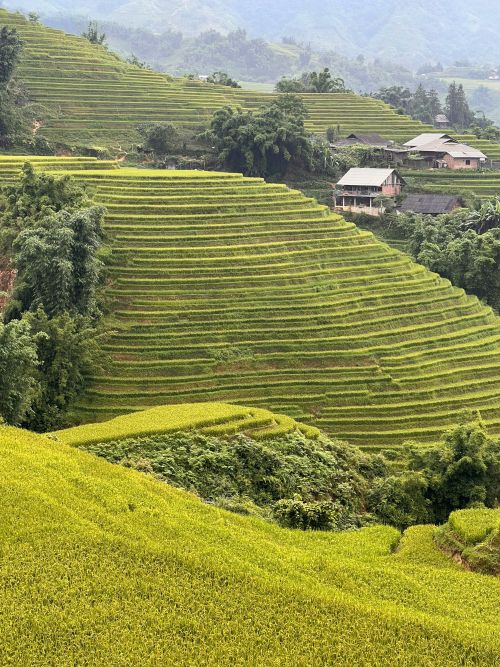
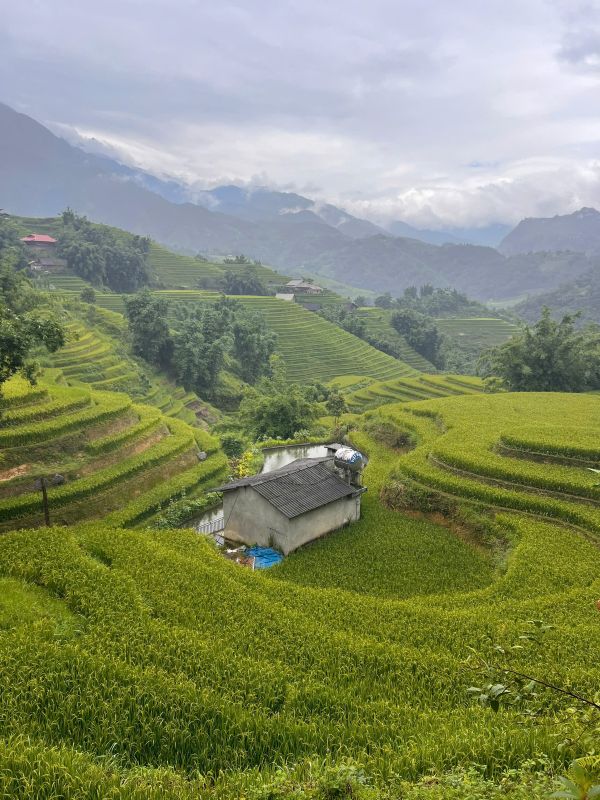
Sapa offers everything from short village walks to full-day valley treks and challenging mountain routes. Lao Chai and Ta Van through Muong Hoa Valley are the classic choice for rice terraces and village scenery, while Cat Cat suits a short, accessible walk. Travellers looking beyond the main trekking corridor can explore Ta Phin and more remote areas around Bản Khoang, Tả Giàng Phình and Bản Hồ. Fansipan offers a different experience altogether, focused on mountain terrain and physical challenge.
Lao Chai and Ta Van through Muong Hoa Valley: The Classic Sapa Trek
Lao Chai and Ta Van form one of Sapa’s best-known trekking routes, following the Muong Hoa Valley southeast of Sapa town. The wider valley stretches about 15 km and includes terraced farmland, streams, and villages inhabited by different ethnic communities. Lao Chai is particularly associated with Hmong communities, while Ta Van is home to Giay and other local communities.
There is no single fixed Lao Chai–Ta Van trail. Routes vary according to the starting point, trail chosen and whether part of the journey is completed by vehicle.
- Distance: Approximately 10–14 km for many full-day Muong Hoa Valley routes; shorter variations are available
- Difficulty: Moderate; expect uneven paths, ascents and descents, with muddy and slippery sections after rain
- Time needed: Around 5–7 hours for a full-day route; shorter half-day options are possible
- Why go: One of the best all-round choices for first-time visitors, combining Sapa’s characteristic rice terraces, mountain scenery and village landscapes
Ta Van is also a common overnight stop, making this route easy to extend into a longer trek through the southern part of the valley.
Cat Cat Village: An Accessible Introduction to Walking in Sapa
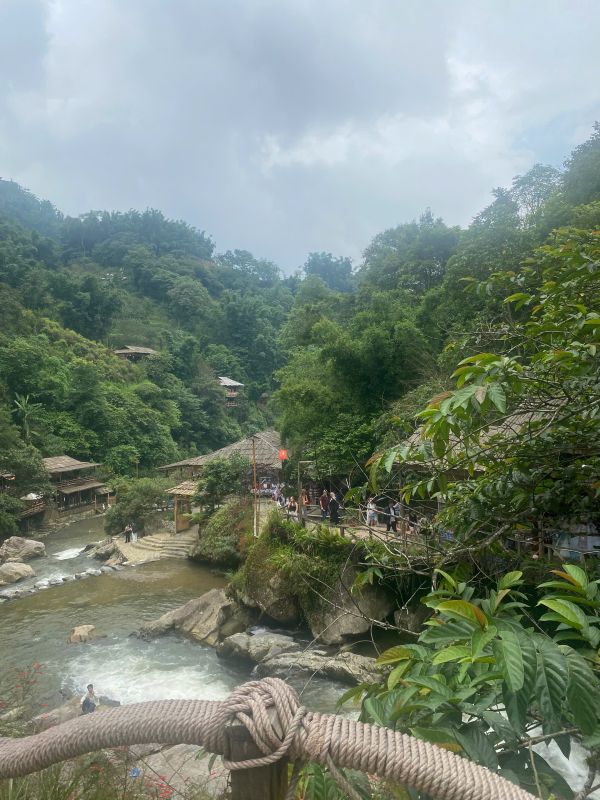
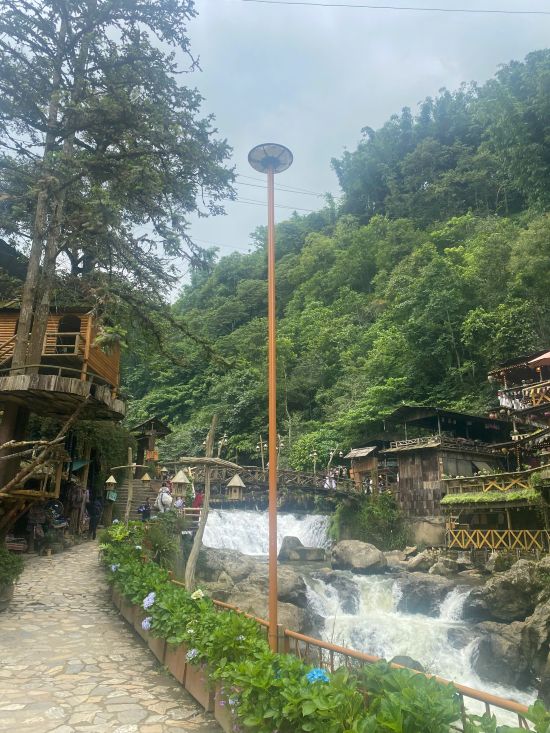
Around 2 km from central Sapa, Cat Cat is one of the easiest village areas to reach from town and can be explored without committing to a full trekking day. The route follows well-developed paths and numerous steps through the village, with mountain views and a waterfall along the way.
- Distance: Around 4 km for a return walk from Sapa, depending on the exact route
- Difficulty: Easy to moderate; the paths are developed, but there are many steps and the climb back toward Sapa can be tiring
- Time needed: Around 2–3 hours
- Why go: A convenient choice for travellers with limited time or those looking for a shorter introduction to Sapa’s mountain and village scenery
Cat Cat is also one of Sapa’s most visited attractions. Travellers looking for a longer trek and more extensive rice-terrace scenery will generally find the Muong Hoa Valley routes more suitable.
Ta Phin: A Quieter Alternative Northeast of Sapa
Located around 12 km northeast of Sapa town, Ta Phin offers a different direction from the main Muong Hoa Valley trekking corridor. The area is particularly associated with Red Dao communities and is known for its surrounding countryside and traditional Red Dao herbal baths.
Walking itineraries vary considerably. Some combine road transfers with shorter village walks, while longer routes can explore the countryside between Sapa and Ta Phin.
- Distance: Varies by itinerary; longer walking routes can reach approximately 12–20 km
- Difficulty: Easy to moderate for shorter village walks; moderate for longer routes
- Time needed: Half day to full day
- Why go: A good alternative for travellers who want to explore another part of Sapa and experience a landscape and community different from the better-known Lao Chai–Ta Van route
Bản Khoang and Tả Giàng Phình: Beyond the Main Trekking Valley
North of Sapa, the areas around Bản Khoang and Tả Giàng Phình provide another option for travellers who want to move beyond the most frequently visited trekking routes. The landscape combines mountain valleys, terraced farmland and rural villages, with considerably fewer visitors than the main Muong Hoa corridor.
- Distance: Depends on the chosen trail and transfer points
- Difficulty: Moderate for most countryside trekking itineraries
- Time needed: Half day to full day
- Why go: A less-visited alternative for travellers who have already experienced Sapa’s classic routes or prefer quieter mountain and village landscapes
Because routes in this area are less standardised than Lao Chai–Ta Van, the itinerary is best planned according to current trail conditions and the traveller’s preferred walking distance.
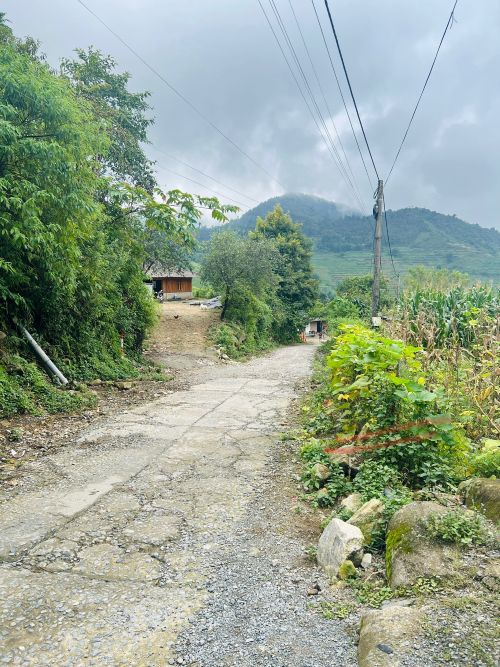
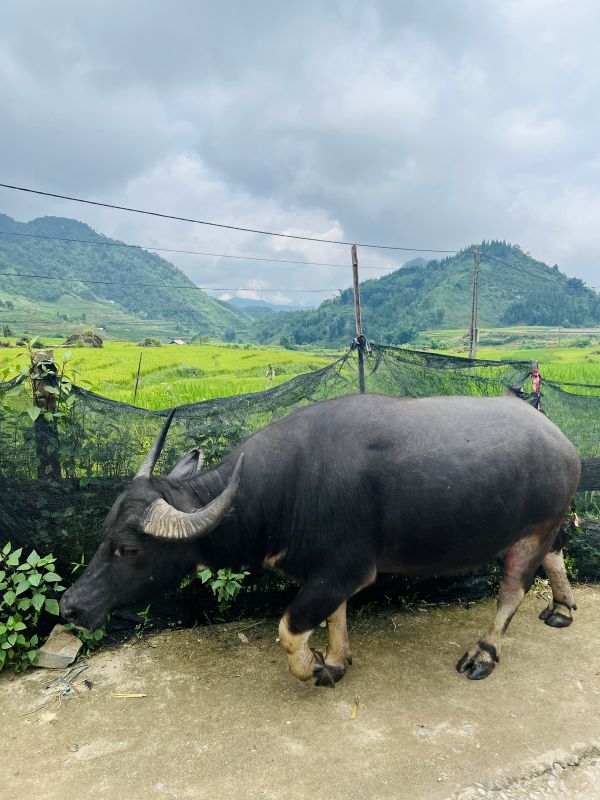
Giàng Tả Chải and Bản Hồ: Extending the Muong Hoa Trek
Instead of finishing around Ta Van, longer trekking itineraries can continue farther through the southern Muong Hoa Valley toward Giàng Tả Chải and Bản Hồ. This extends the classic valley experience into a longer journey through bamboo forest, terraced countryside and additional village areas.
- Distance: Varies considerably according to the starting point, endpoint and whether vehicle transfers are included
- Difficulty: Moderate; longer itineraries require good general fitness
- Time needed: Full day or multi-day
- Why go: A natural extension for travellers who want more than the standard Lao Chai–Ta Van trek and prefer to spend longer exploring the valley on foot
These longer routes also work well with an overnight village stay rather than returning to Sapa after a single day.
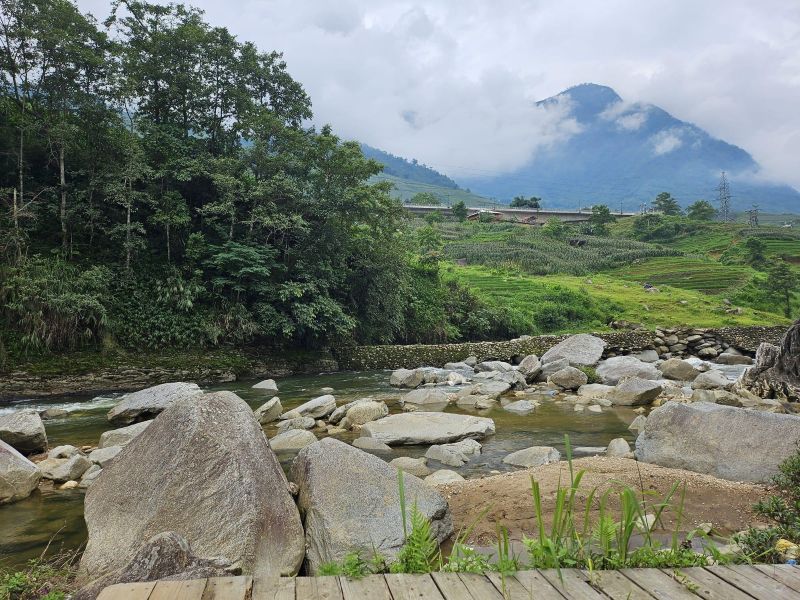
Fansipan: Sapa’s Mountain Trekking Challenge
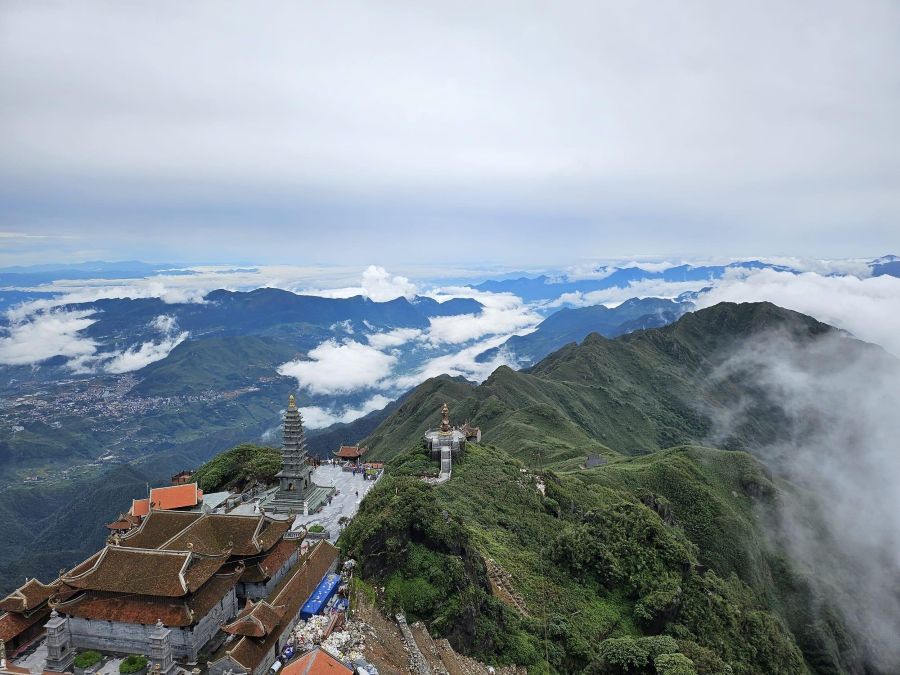
At 3,143 metres, Fansipan is the highest mountain in Vietnam and the Indochinese Peninsula. It offers a very different experience from Sapa’s village and rice-terrace treks, with forest, elevation and physical challenge becoming the main focus.
There are two main ways to experience Fansipan. Trekking to the summit is a demanding mountain journey that requires good fitness, appropriate equipment, and preparation. The cable car provides an alternative for travellers who want to reach the summit area without completing the mountain trek.
- Difficulty: Challenging to strenuous when trekking
- Best for: Travellers looking for a mountain challenge rather than primarily rice terraces and village scenery
For detailed information on trekking routes, duration, preparation and summit access, see our dedicated guide to trekking Fansipan.
How Long Should Your Trek Be?
The right trek length depends on your schedule, fitness and whether you want trekking to be one activity within your Sapa stay or a major part of the trip.
1-Day Treks and Fansipan Cable Car Visits
A one-day trek gives travellers enough time to explore Sapa’s surrounding valleys and visit one or more villages before returning to their hotel. Routes through Muong Hoa Valley, Lao Chai and Ta Van are well suited to this format.
Travellers who want to visit Fansipan within a single day can take the cable car instead of trekking to the summit. A one-day Fansipan ascent on foot is possible for exceptionally fit and experienced hikers, but it is considerably more demanding than a standard valley trek.
Best for:
- Travellers with limited time in Sapa
- First-time visitors wanting to explore the valleys
- Those who prefer walking without an overnight stay
- Travellers who want to visit Fansipan by cable car rather than undertake the full mountain climb
The difficulty of a day trek depends on more than distance. Elevation, trail surfaces and rain can make a relatively short route considerably harder.
2-Day / Overnight Treks
A two-day trek allows travellers to explore farther into Sapa’s countryside or take on a longer mountain route, with an overnight stay between walking days.
There are two main experiences to consider:
- Village trekking with a homestay: Routes through Muong Hoa Valley and surrounding villages can be extended over two days, with an overnight stay in a village homestay or locally run accommodation. This allows more time to explore the countryside and experience local village life.
- Fansipan trekking with a mountain camp: A two-day ascent divides the challenging mountain climb across two days, with an overnight stay in a basic mountain camp before continuing toward the summit. This is a more manageable alternative to attempting the full ascent in a single day.
Best for:
- Travellers who want to experience an overnight village homestay
- Those who prefer a slower pace and more time in the countryside
- Active travellers comfortable walking on consecutive days
- Experienced hikers planning a Fansipan summit trek
Longer treks of three days or more are also possible for travellers who want to explore farther beyond the main trekking routes and make hiking a major focus of their Sapa trip.
What to Expect from a Sapa Homestay
Staying in a village homestay allows travellers to spend more time in Sapa’s countryside, experience local hospitality and enjoy the quieter atmosphere after most day visitors have left. One important point is that “homestay” does not describe a single accommodation standard in Sapa. Properties range from simple family-run accommodation with shared facilities to comfortable guesthouses with private rooms, bathrooms and facilities designed for international visitors.
What to expect:
- Accommodation: Standards vary considerably. Depending on the property, rooms and bathrooms may be private or shared. Some homestays are simple, while others offer comfort closer to a small guesthouse or lodge.
- Meals: Dinner and breakfast are commonly included in overnight programmes, often served family-style with local dishes and ingredients.
- Evenings: Staying overnight allows travellers to experience the village after most day visitors have left. The exact level of interaction with hosts depends on the property and programme.
- The villages: Homestay itineraries commonly use villages in and around the wider Muong Hoa Valley, including areas such as Ta Van. The exact village should be checked when choosing an itinerary.
A homestay should not automatically mean sleeping on a floor in a traditional house with very basic facilities. Sapa’s accommodation has developed considerably, so travellers should check the actual room type, bathroom facilities, heating and other comfort requirements before booking.
Respect is equally important. These are lived-in communities, not attractions created for tourists. Ask before photographing people, respect private homes and farmland, and follow the advice of local hosts and guides.
If you are looking for suitable homestays for your itineraries or clients, feel free to contact us. With over 30 years of experience as a DMC in Southeast Asia, we can advise you on the most suitable options.
Practical Trekking Tips
Best Time to Trek Sapa
Northern Vietnam experiences four distinct seasons, and trekking conditions in Sapa change considerably throughout the year. Spring and autumn generally offer the most comfortable conditions, while summer brings heavier rainfall and winter can be cold and misty.
- Spring (March–May): Temperatures become warmer and conditions are generally comfortable for trekking. April and May are particularly suitable for longer walks, although rainfall begins to increase as summer approaches.
- Summer (June–August): This is the warmer and wetter period. The landscape becomes very green, but frequent rain can make mountain and village trails muddy and slippery.
- Autumn (September–November): Often one of the best periods for Sapa trekking, with cooler conditions and the rice terraces becoming a major highlight, particularly around September and October.
- Winter (December–February): Temperatures drop considerably, especially at night and at higher elevations. Mist, cloud and occasional cold spells can reduce visibility, so warm layers are important, particularly for overnight treks.
For rice terrace views: The terraces change throughout the growing season, from flooded or newly planted fields to green and then golden rice. Planting and harvesting dates vary by location, weather and year, so travellers hoping to see a particular colour should check current local conditions before their trip.
What to Pack
- Comfortable walking or hiking shoes with good grip
- Lightweight layers that can be added or removed
- A rain jacket or poncho
- Water
- Sun protection
- A small backpack
- Insect repellent
- Basic personal medication or first-aid items
- Cash for small purchases in villages
- Additional warm clothing during the colder months
Fitness level: Most standard valley and homestay treks are moderate and do not require technical hiking experience. Travellers should still be comfortable walking for several hours over uneven terrain with repeated climbs and descents.
Weather: Conditions can change quickly in the mountains. Rain often has a greater effect on difficulty than the distance itself, particularly on steep dirt paths.
Frequently Asked Questions
How many days should I allow for trekking in Sapa?
A half-day is enough for a short village walk, while a full day allows travellers to explore further into the valleys. A 2-day, 1-night itinerary is a good option for combining trekking with a homestay, while longer programmes can cover more remote villages and routes. The right duration depends on fitness, interests and overall Vietnam itinerary.
Can Sapa trekking be adapted for different fitness levels?
Yes. Sapa offers everything from short village walks to full-day valley treks and demanding mountain routes. Itineraries can be adjusted through route choice, walking distance, elevation and transport arrangements, which is particularly useful for families, mixed-ability groups or agencies designing programmes for different traveller profiles.
Can luggage be stored in Sapa during an overnight trek?
Usually, travellers do not need to carry their full luggage on an overnight trek. Larger bags can often be left at the hotel or arranged through the tour operator, with only the essentials carried for the trek. The exact arrangement should be confirmed with the accommodation or operator in advance.
Can you trek in Sapa if it rains?
Light rain does not necessarily prevent trekking, but conditions can become more difficult as dirt paths turn muddy and slippery. Routes may need to be shortened or adjusted during heavier rain, so flexible planning and suitable footwear are important, particularly during the wetter summer months.
Can I trek in Sapa without staying in a homestay?
Yes. Many routes can be completed as half-day or full-day excursions with a return to Sapa town. Homestays are mainly used for overnight and multi-day programmes, so travellers can still experience Sapa’s valleys and villages without staying overnight.
How far in advance should a Sapa trek be arranged?
Simple day treks can often be organised relatively close to the travel date, but earlier planning is useful for overnight treks, specific homestays, private guides or group programmes, particularly during busier travel periods. For travel agencies, advance planning also allows the route, accommodation and transport to be matched more closely to the traveller profile.
Planning a Sapa Trek as Part of a Vietnam Journey
Sapa is usually included as part of a wider northern Vietnam itinerary, and the amount of time allocated should reflect what travellers actually want to do there. A short stay may be enough for one full-day valley trek, while travellers interested in homestays should allow at least one overnight experience in the countryside.
Sapa can be reached from Hanoi by road, while overnight trains connect Hanoi with Lao Cai, followed by a road transfer into the mountains. The best option depends on the wider itinerary, comfort requirements and how much daytime travellers want to preserve for activities.
For travel professionals, ASEV Travel can incorporate Sapa trekking, village visits, and homestay experiences into tailor-made Vietnam itineraries based on clients’ fitness levels, available time, preferred accommodation standards, and interests.
Contact our team to discuss a Sapa trekking programme or include northern Vietnam in your clients’ next journey.