

Your Trusted DMC Partner in Vietnam
Vietnam, The Land of Dragons
Why Vietnam for Your Programs
A Journey That Naturally Unfolds
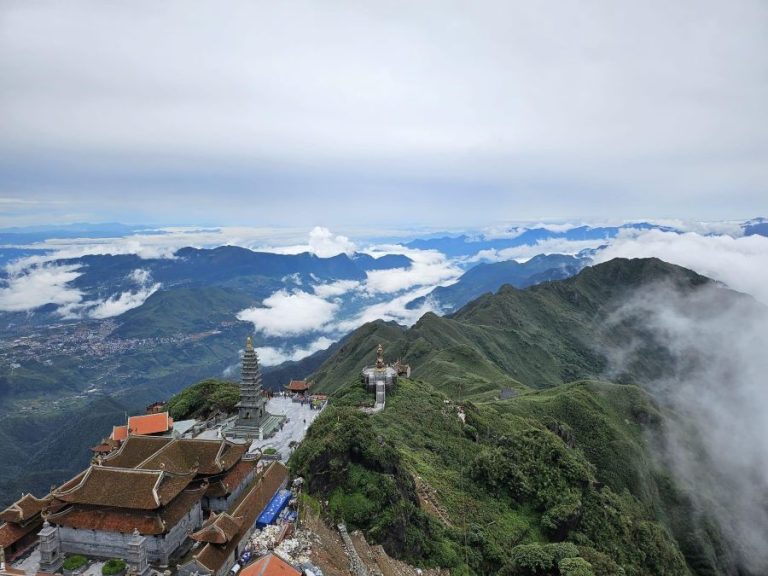
Stretching over 1,600 kilometers from north to south, Vietnam offers a rare sense of progression within a single country. Programs can begin among the dramatic mountain landscapes of the north, continue through the imperial heritage and coastal culture of central Vietnam, and conclude in the vibrant waterways of the Mekong Delta. This natural geography allows itineraries to evolve smoothly, revealing new landscapes, cultures, and atmospheres at each stage of the journey.A Destination for Every Season
Vietnam’s three distinct climate zones provide valuable flexibility for travel planning. While the north enjoys cooler and drier conditions during winter, central beaches often remain sunny and the south follows its own tropical rhythm. This staggered climate allows programs to be routed strategically throughout the year, helping maintain attractive travel options across different seasons.A Rich and Reliable Travel Offer
Vietnam combines vibrant cities, striking natural landscapes, and a deeply rooted cultural heritage within a single destination. From mountain trekking and limestone seascapes to historic towns, Mekong waterways, and white-sand beaches, the country offers a remarkable diversity of experiences. Supported by efficient domestic flights, expanding road networks, and a wide range of accommodation options, Vietnam remains both inspiring for travelers and dependable for tour operators.
ASEV Travel’s Expertise in Vietnam
Why Work with ASEV in Vietnam
- Established presence since 2018, bringing fresh market insight and a dynamic operational approach
- Local expert team with strong on-the-ground coordination for leisure, group, and MICE programs
- Seamless integration with Laos, Cambodia, and Singapore for multi-country journeys
- Travelife-aligned office actively supporting local NGOs
What Makes Our Itineraries Different in Vietnam
- Carefully curated Halong & Lan Ha Bay cruise portfolio beyond standard mass-market options
- Distinctive boutique and high-end accommodation partnerships
- Immersive journeys blending heritage, landscapes, and culinary discovery
- Well-paced north–south routing ensuring a balanced and coherent travel experience
Why This Destination Works for Your Clients
- Ideal first entry point into Southeast Asia with a complete and well-balanced offer
- Natural north–south progression shaping clear and engaging journeys
- Wide range of experiences suited to different travel styles
- Reliable destination for both first-time and repeat travelers
Our Vietnam Experts
Mr. Viet Nguyen
Country Manager | viet@asev-travel.com
With over 18 years of experience in inbound travel across Vietnam, Mr. Viet oversees program development and operational coordination nationwide — from the northern highlands to the Mekong Delta. Based in HCM City, Mr.Viet works closely with regional partners to ensure itinerary consistency, seasonal optimization, and smooth execution across diverse travel formats, including FIT, group series, and tailor-made programs.
“Make your life great through inspirations and experiences”
Vietnam at a Glance
- Capital: Hanoi
- Largest City: Ho Chi Minh City
- Population: ~100 million
- Currency: Vietnamese Dong (VND)
- Time Zone: GMT +7
- Official Language: Vietnamese
- International Dial Code: +84
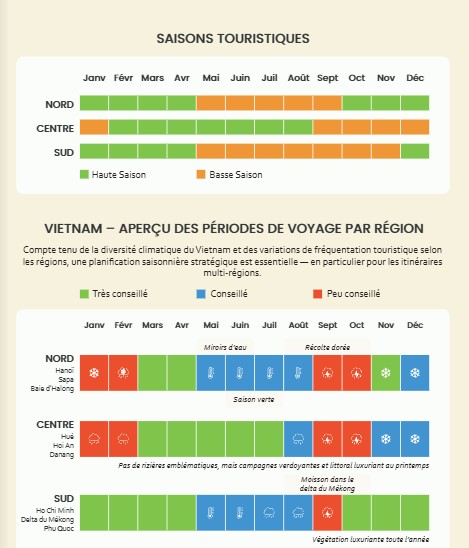
Best time to visit (Weather)
Vietnam operates across three distinct climate zones, enabling flexible routing throughout the year.
- In Northern Vietnam (Hanoi, Halong Bay, Sapa), the rainy season runs from May to October, while November to March brings cooler, drier conditions. December to January is generally the most favorable period.
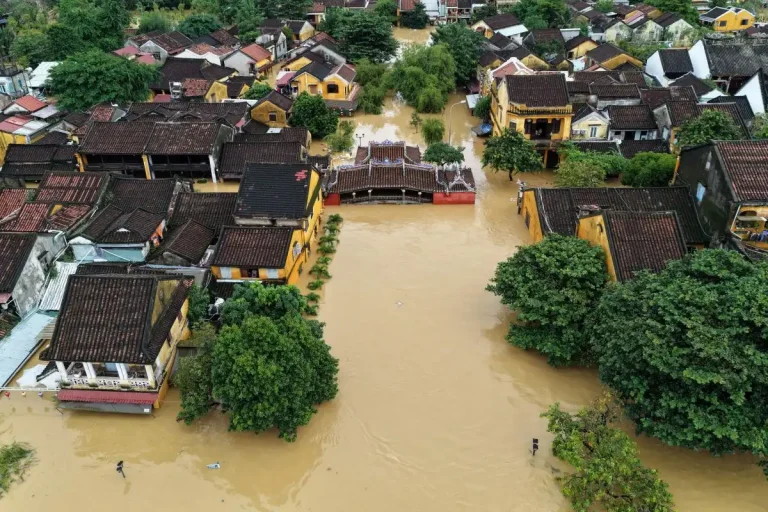
- In Central Vietnam (Hue, Hoi An, Da Nang), rainfall typically occurs from September to November. February to August offers extended sunny weather, with December to February considered the most balanced travel window.
- In Southern Vietnam (Ho Chi Minh City, Mekong Delta), the rainy season lasts from May to October, usually with short tropical showers. The dry season extends from December to April, with January to March providing the most stable conditions.
Visa Requirements
Visa requirements for Vietnam vary depending on nationality and length of stay.
- Citizens of certain countries are eligible for visa exemption for short stays.
- Many nationalities can apply for a Vietnam e-visa online prior to arrival.
A valid passport with at least six months validity and two blank pages is required for entry.
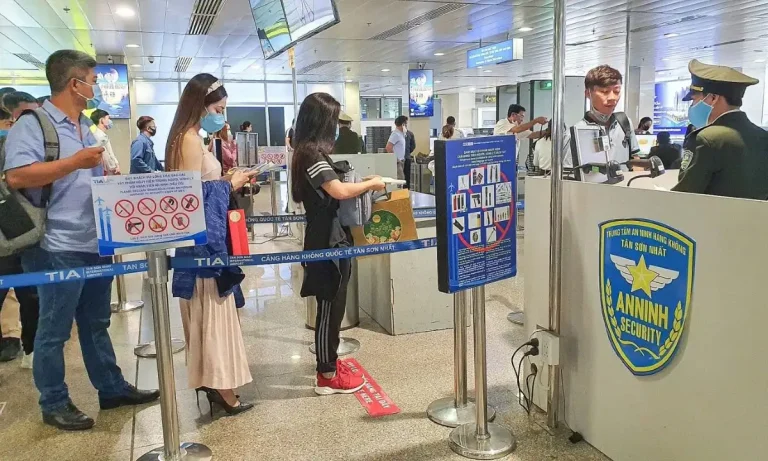
Travelers entering Vietnam by international airport or land border must comply with current immigration regulations. Visa policies may change, and requirements should be verified prior to departure.
For official and updated information, travelers should consult the relevant Vietnamese diplomatic authority or government immigration website.
Main International Airports
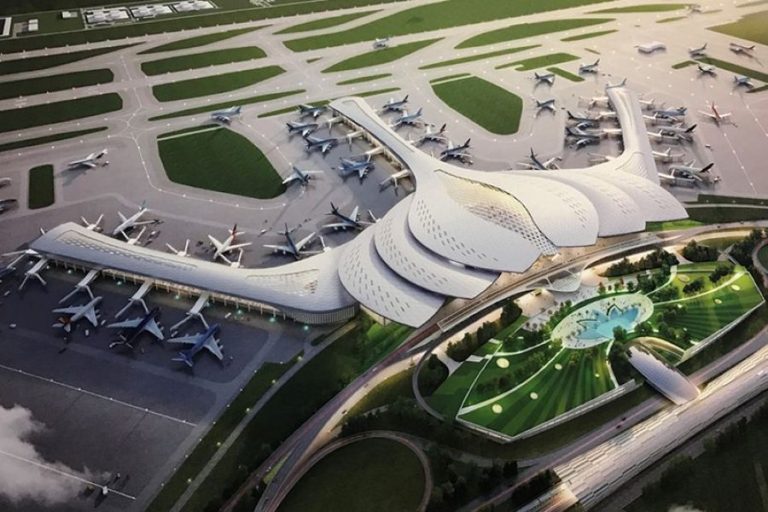
Vietnam has several international airports with direct connections from various countries in the region:
- Noi Bai International Airport (Hanoi)
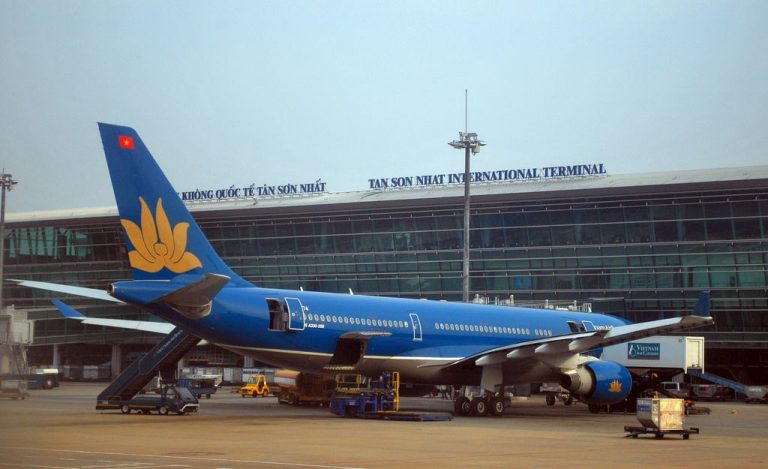
- Tan Son Nhat International Airport (Ho Chi Minh City)
- Da Nang International Airport
- Phu Quoc International Airport
Popular Land Entry Points
Vietnam offers several well-established land border crossings connecting with neighboring countries, supporting multi-country itineraries across Indochina.
From Cambodia
- Moc Bai (connected to Bavet – Phnom Penh route)
- Vinh Xuong (Chau Doc river crossing)
- Xa Tia (Ha Tien / Kampot–Kep route)
From Laos
- Tay Trang (North Vietnam border)
- Lao Bao (Central Vietnam border)
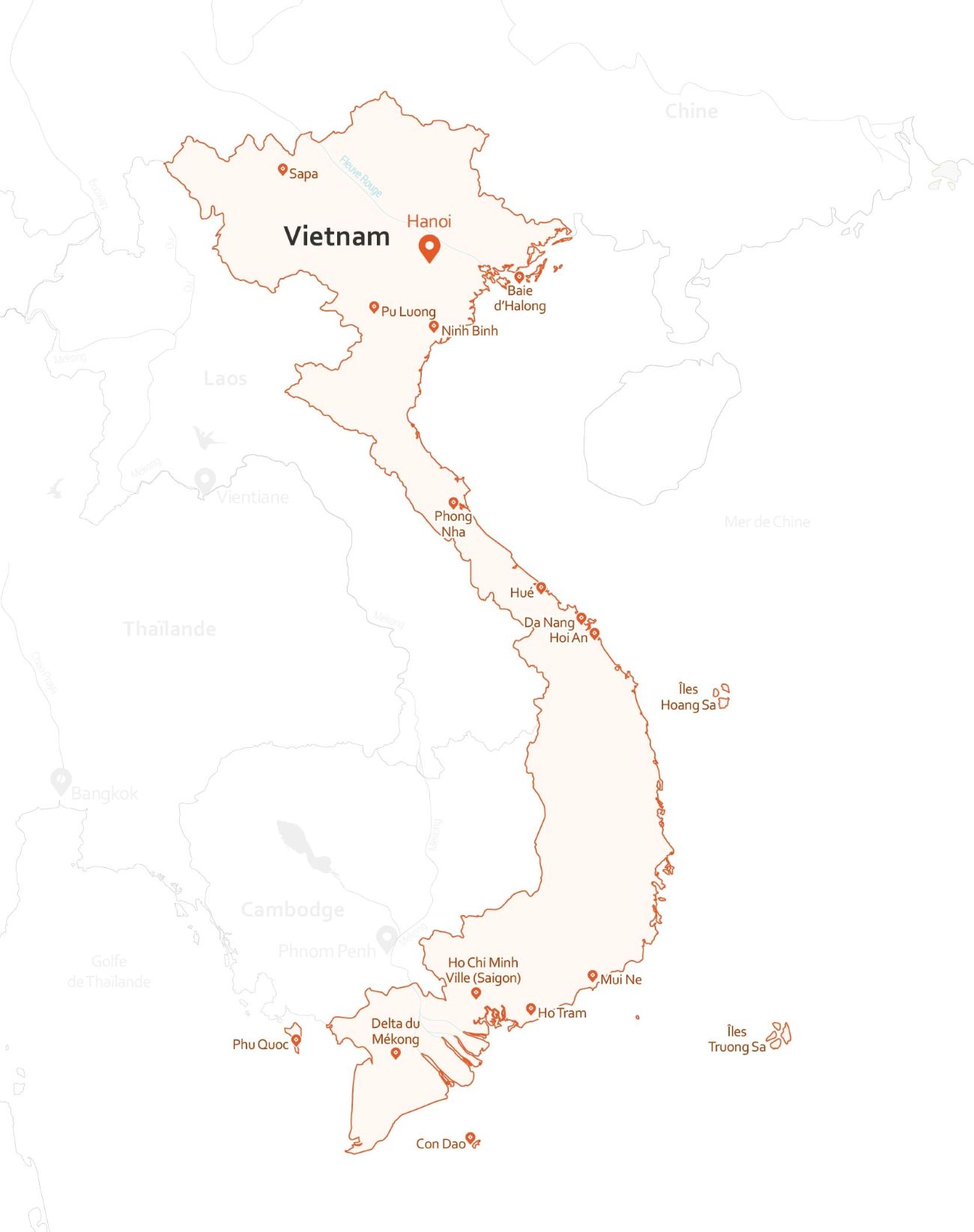
Major Sites in Vietnam
Vietnam’s main travel destinations extend from the cultural capital of the north to the tropical landscapes of the south. Each region offers distinct landscapes, heritage sites, and travel experiences.
Northern Vietnam:
- Hanoi: Old Quarter, Temple of Literature, Hoan Kiem Lake
- Halong Bay: Karst formations, overnight junk cruises
- Ninh Binh: Bich Dong Pagoda, Trang An landscapes, ancient capital Hoa Lu
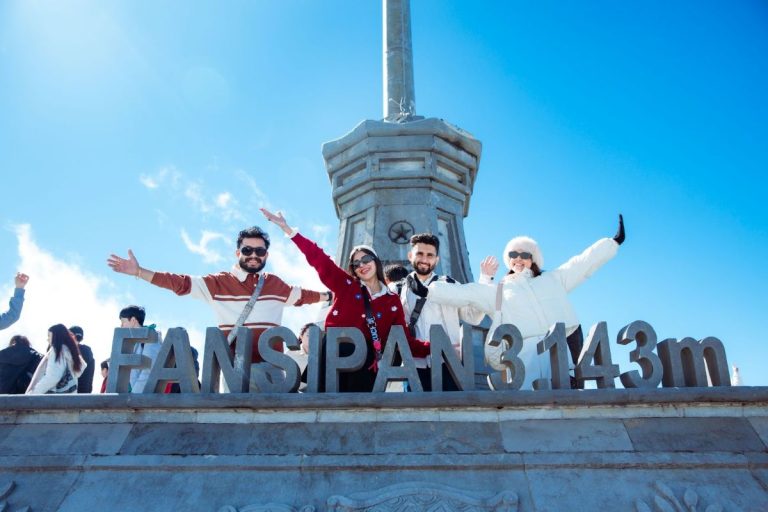
- Sapa: Ethnic cultures, local markets, trekking, terraced rice fields
- Pu Luong: Rivers, ethnic communities, eco-lodges, trekking
Central Vietnam:
- Hue: Imperial citadel, royal tombs, Perfume River
- Hoi An: UNESCO ancient town, lantern streets, artisan villages, nearby beaches
- Da Nang: Coastal city, transport hub, gateway to heritage sites
- Phong Nha – Ke Bang: Cave systems, jungle landscapes, hiking
Southern Vietnam:
- Ho Chi Minh City (Saigon): Ben Thanh Market, Notre-Dame Cathedral, Dong Khoi Street, Cu Chi Tunnels
- Mekong Delta: Floating markets (Cai Rang), river life, fruit orchards, craft villages
- Phu Quoc Island: Beaches, national park, waterfalls, fish sauce traditions
- Con Dao: Pristine islands, historical sites, marine nature
- Ho Tram: Seaside resorts, coastal relaxation near Ho Chi Minh City
- Mui Ne: Fishing village, Fairy Stream, white sand dunes
Neighboring Countries (Land Borders)
- China shares the northern land border with Vietnam.
- Laos shares the western land border with Vietnam.
- Cambodia shares the southwestern land border with Vietnam
Seasonability
Last updated: March 1, 2026
Please note that this information may change. We will update this page if there are any changes related to Vietnam.
On the Ground in Vietnam
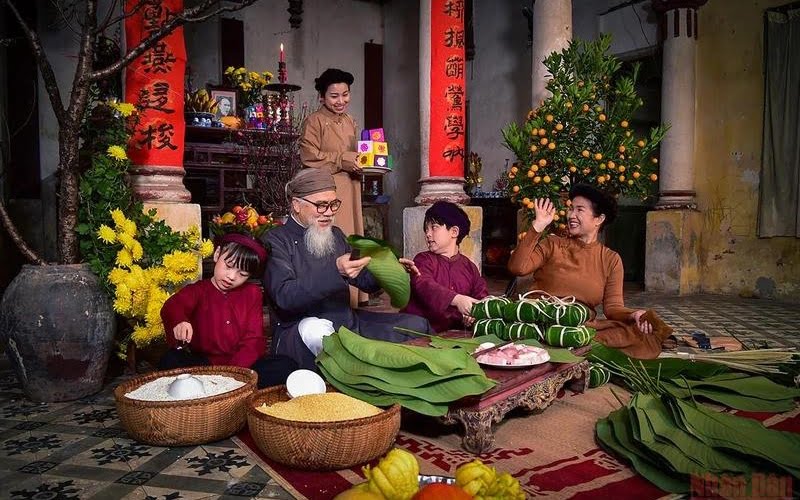
1️⃣ Tet Nguyen Dan (Vietnamese Lunar New Year)
When: Late January – February (Lunar calendar)
Scope: Nationwide
Operational Considerations: Tet is Vietnam’s most significant national holiday. Government offices, many restaurants, and local businesses close for 3–5 days (sometimes longer in provincial areas). Domestic travel demand increases significantly, especially pre- and post-Tet.
Program Implications: Programs remain feasible with adjusted pacing, particularly in major cities such as Hanoi and Ho Chi Minh City where a portion of services remains operational. However, reduced supplier availability during this period requires longer-term planning and early confirmations, particularly for transport, guides, and key services.
Market Fit: Best suited for culturally curious and experiential travelers interested in observing authentic local traditions. Programs requiring a full range of luxury services may require additional planning and flexibility.
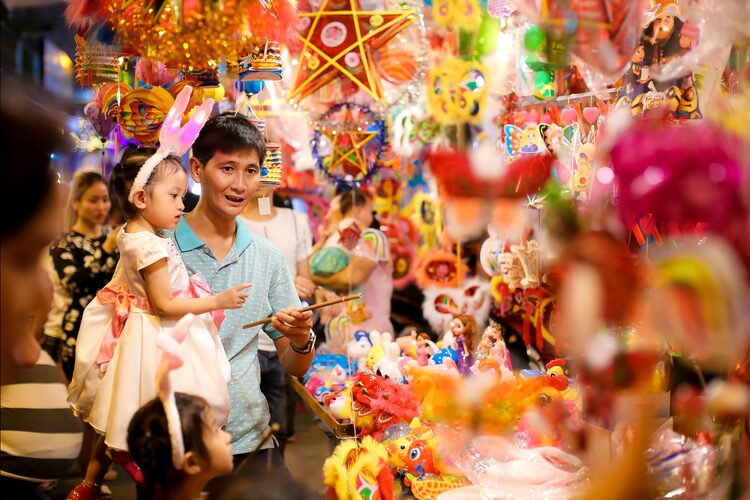
2️⃣ Mid-Autumn Festival (Tet Trung Thu)
When: September – October (Lunar calendar)
Scope: Nationwide (notably Hanoi & Hoi An)
Operational Considerations:
Normal business operations continue. Increased evening activity in city centers and heritage towns.
Program Implications:
Ideal for family-oriented programs and photography-focused itineraries.
Market Fit:
Strong appeal for family travel and cultural-themed itineraries.
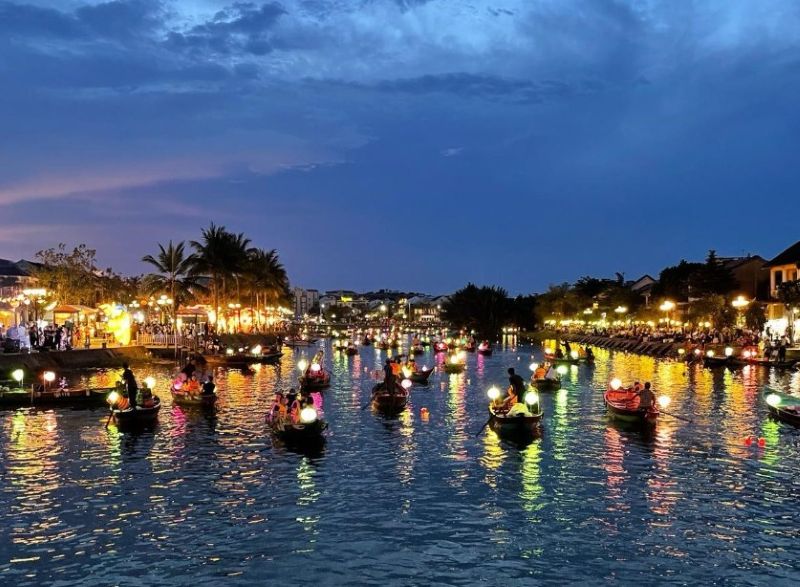
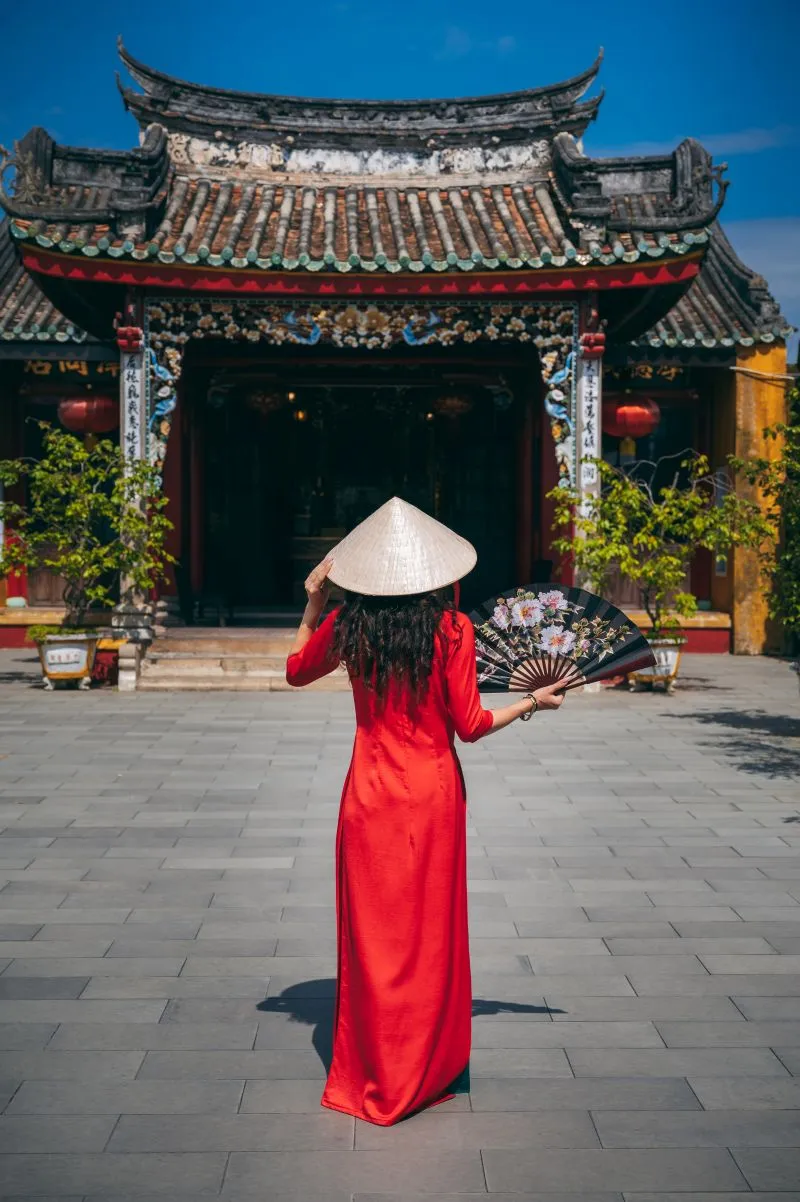
3️⃣ Hoi An Lantern Festival
When: Monthly (Full Moon nights)
Location: Hoi An Ancient Town
Operational Considerations:
Regular tourism services remain available. Higher visitor volume on full moon evenings.
Program Implications:
Easily integrated into central Vietnam itineraries without major routing adjustments. Strong visual component for boutique and experiential travel segments.
Market Fit:
FIT, honeymoon, cultural discovery, and small group programs.
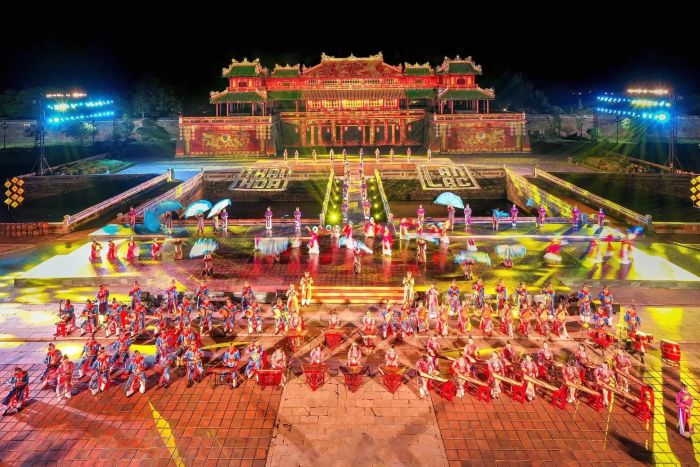
4️⃣ Hue Festival
When: Typically spring (biennial scheduling)
Location: Hue
Operational Considerations:
The festival attracts significant domestic and international visitors, resulting in increased hotel demand and higher room rates during event periods. Availability of accommodation and certain services may become limited.
Program Implications:
Can serve as a program anchor for heritage-focused itineraries in central Vietnam.
Market Fit: Well suited for cultural circuits and high-value experiential programs
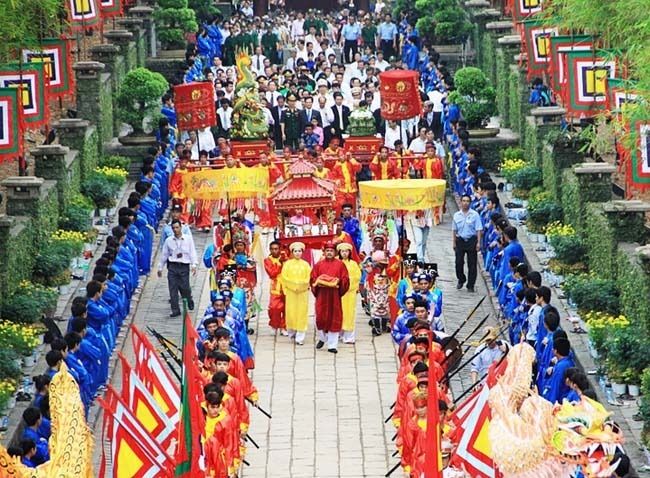
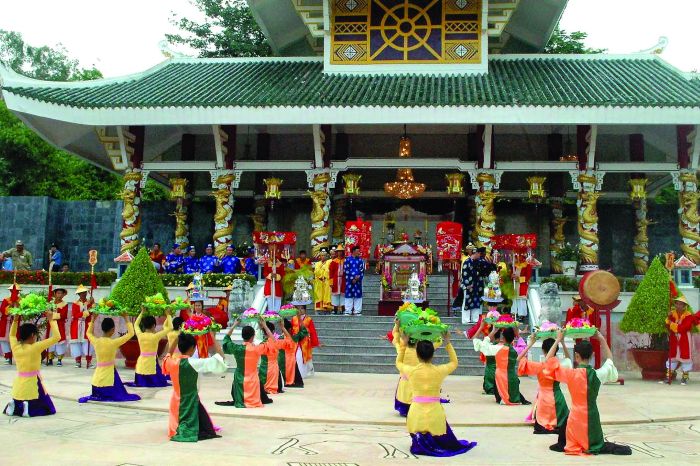
5️⃣ Hung Kings Commemoration Day
When: March – April (Lunar calendar)
Location: Phu Tho (Northern Vietnam)
Operational Considerations:
Primarily domestic participation. Limited infrastructure impact outside the region.
Program Implications:
Suitable for northern heritage extensions but not recommended as a core event anchor for international groups.
Market Fit:
Niche cultural interest programs.
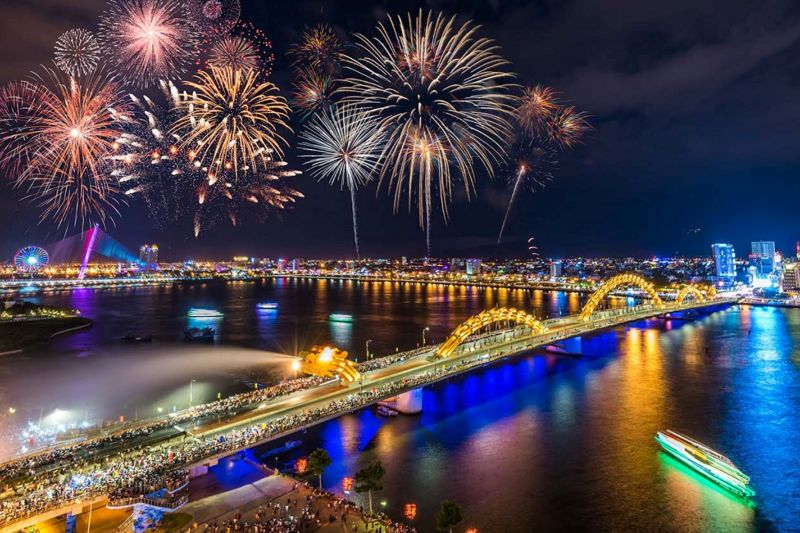
6️⃣ Da Nang International Fireworks Festival (DIFF)
When: April – June
Location: Da Nang
Operational Considerations:
Significant increase in accommodation demand. Coastal hotels may operate at high occupancy levels.
Program Implications:
Strong opportunity for combining beach stays with event-based evening programming.
Market Fit: Leisure-focused programs, summer travel period.
7️⃣ Ba Chua Xu Festival (Chau Doc – Mekong Delta)
When: April – May (Lunar calendar)
Location: Chau Doc, Southern Vietnam
Operational Considerations:
Primarily domestic pilgrimage event. Limited infrastructure strain outside Chau Doc.
Program Implications:
Can enrich Mekong Delta itineraries with authentic cultural exposure.
Market Fit:
Cultural immersion and Mekong-focused programs.
What cultural behavior should agents brief travellers on before arrival?
Vietnamese society places strong emphasis on social harmony, respect for elders, and modest public behavior. Open confrontation, loud arguments, or visible frustration in public spaces may cause discomfort and escalation rather than resolution.
Clients should:
- Avoid raising their voice in disputes (especially in restaurants, hotels, airports).
- Avoid confrontational gestures.
- Maintain calm communication and allow guides to mediate when issues arise.
What dress standards apply when visiting temples, pagodas, and religious sites?
Vietnam is culturally conservative in religious settings.
Required:
- Shoulders covered
- Knees covered
- No transparent or tight-fitting clothing
- Remove shoes when entering worship halls
Not acceptable:
- Tank tops
- Short shorts
- Crop tops
- Beachwear
How should photography be handled in villages and local communities?
Vietnamese people are generally open to photography, but consent is essential. Agents should advise clients:
- Always ask before photographing individuals.
- Never photograph children without parental permission.
- Avoid treating ethnic minority villages as “photo exhibits.”
Operational risk: In some communities, repeated uncontrolled photography can damage supplier relationships.
Is giving money, candy, or school supplies to children appropriate?
No. Direct gifting encourages dependency and, in some cases, organized begging systems.
Why this matters:
- Children may skip school
- Families may rely on tourist handouts
- It disrupts community structures
Partners should instruct travellers to:
- Decline politely
- Support certified social enterprises instead
- If travellers wish to make a donation, they should consult their guide, who will ensure it is directed to the appropriate local person or organization
What is ASEV’s position on child protection and exploitation?
ASEV adheres to ChildSafe principles and zero tolerance policies.
Illegal activities include:
- Child labor exploitation
- Sexual exploitation of minors
- Any inappropriate contact or photography
If suspicious behavior is observed:
- Report to ChildSafe hotline: 111 or 18001567
- Notify local authorities
- Inform ASEV guide
Are orphanage visits or short-term volunteering recommended?
Unregulated orphanage visits are discouraged.
Reasons:
- Creates emotional attachment cycles.
- Some institutions may not operate ethically.
- Short-term volunteering can unintentionally harm child development.
Only structured, certified programs should be considered.
What environmental precautions should travellers follow?
Waste infrastructure remains limited outside major cities.
Clients should:
- Avoid single-use plastics.
- Carry reusable shopping bags.
- Refill water bottles from provided large containers
- Keep trash until proper disposal.
- Never litter in rural areas or waterways.
What are the regulations in national parks and protected areas?
Strictly prohibited:
- Feeding wildlife
- Touching animals
- Removing plants, stones, shells
- Walking off marked trekking routes
Why:
- Protect fragile ecosystems.
- Prevent accidents.
- Avoid legal penalties.
What gestures or actions may be considered disrespectful?
Agents should advise travellers to avoid:
- Pointing at someone with feet.
- Touching someone’s head (especially children).
- Public displays of strong affection in rural areas.
- Using aggressive hand gestures.
While Vietnam is increasingly modern, conservative values remain strong outside major cities.
What should travellers know about entering Vietnamese homes?
- Shoes must be removed before entry.
- Do not step directly over someone’s belongings.
- Avoid standing in front of family altars.
- Wait to be invited before sitting.
This applies to community-based tourism experiences.
Are there restrictions on purchasing souvenirs?
Travellers shouldn’t bring back:
- Antique Buddha statues or sacred artifacts (may be stolen).
- Wildlife products (ivory, protected shells, animal parts).
- Products made from endangered species.
These may be confiscated at departure and lead to legal consequences.
How can travellers support communities responsibly?
Encourage:
- Purchasing locally made handicrafts.
- Using locally owned restaurants.
- Supporting community-based tourism by verified partners selected by ASEV
This ensures economic benefit remains within local communities.
What emergency contact information should partners provide?
ASEV Emergency Contact: +84 (0)2 822 118 187
ChildSafe Hotline: 111 or 18001567