
Your Trusted DMC Partner in Laos
Laos, The Land of a Million Elephants
Why Laos for Your Programs
The Mekong as a Natural Travel Backbone
Laos is shaped by the Mekong River, which runs from north to south and naturally structures travel across the country. From the mountainous northern regions and Luang Prabang to Pakbeng, Vientiane, and further south towards the 4,000 Islands, the river creates a coherent journey linking diverse landscapes and cultural environments. This geography allows programs to unfold progressively combining remote areas, heritage sites, and river-based experiences within one of Southeast Asia’s most preserved destinations.
Authentic Slow Travel, Year-Round Appeal
Laos offers a rare sense of authenticity, with unspoiled landscapes and deeply rooted traditions. From peaceful villages and forested mountains to spiritual heritage sites, the country invites a slower and more meaningful style of travel. This positioning is ideal for programs focused on immersion, nature, and cultural connection, away from mass tourism.
A More Accessible and Evolving Destination
Laos has entered a new phase of accessibility with the Laos–China railway, connecting key destinations such as Vientiane, Vang Vieng, and Luang Prabang more efficiently. This development supports smoother itinerary design while significantly reducing travel times between regions. International access is primarily via regional hubs, which naturally contributes to Laos’ sense of exclusivity and reinforces its positioning as a destination for more curated and immersive travel experiences.
ASEV Travel’s Expertise in Laos
Why Work with ASEV in Laos
- Established local presence with strong operational expertise across Laos
- Salaried guides accompanying travelers for over a decade
- Reliable coordination for FIT, groups, and experiential programs
- Biosphere partner committed to responsible tourism
What Makes Our Itineraries Different in Laos
- Programs structured around the Mekong as a true travel experience
- Integration of local initiatives such as Ms Deuane’s Homestay (Ban Lae Sivilay)
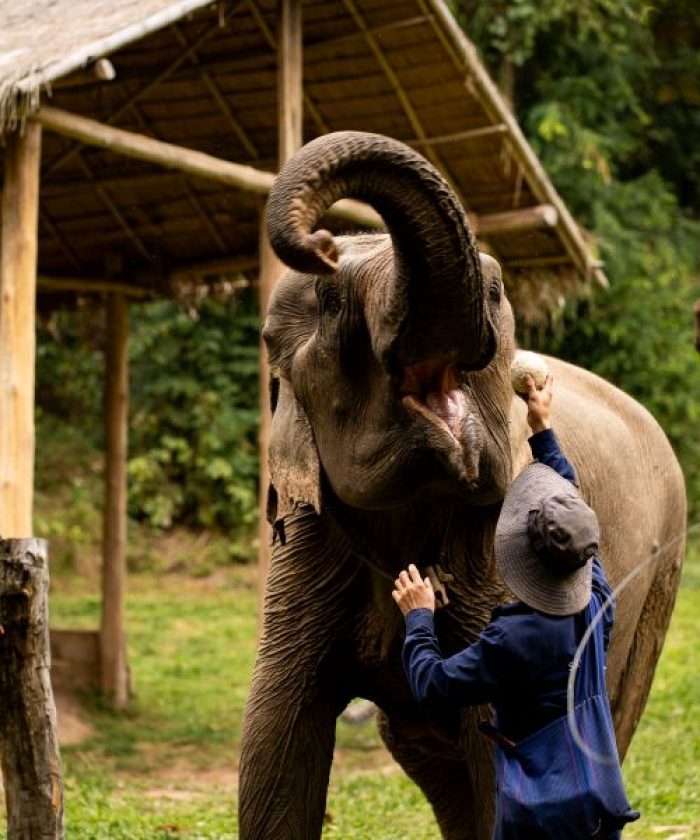
- Close collaboration with conservation partners including Mekong Elephant Park
- Flexible combinations of river journeys, rail connections, and remote regions
Why This Destination Works for Your Clients
- A more intimate and niche destination, centered on slow travel and authenticity
- Ideal for travelers seeking meaningful and less commercial experiences
- Distinct atmosphere within a Southeast Asia portfolio
- Easy integration within regional journeys, particularly along the Mekong
Our Laos Expert

Mr. Viet Nguyen
Country Manager | viet@asev-travel.com
Having spent many years working throughout Southeast Asia, Mr. Viet has developed a particular appreciation for Laos and its people. Today, he supports the growth of ASEV Travel’s operations in the country, fostering strong local partnerships and helping travelers discover the rich heritage, natural beauty, and genuine hospitality that define the Lao experience.
“Some destinations impress you. Others stay with you. Laos does both”.
Laos at a Glance
- Capital: Vientiane
- Largest City: Vientiane
- Population: ~8 million
- Currency: Lao Kip (LAK)
- Time Zone: GMT +7
- Official Language: Lao
- International Dial Code: +856

Best time to visit (Weather)
Laos experiences a tropical monsoon climate with three distinct seasons, making travel possible throughout the year depending on the destinations and activities planned.
The dry season runs from November to March, bringing cooler temperatures and clear skies, making it the most favorable period for exploring cultural sites, river cruises, and outdoor activities across the country.
The hot season extends from April to May, with higher temperatures, particularly in the lowlands. This period coincides with the Lao New Year (Pi Mai), one of the country’s most important cultural celebrations.
The rainy season typically lasts from May to October, when tropical showers transform the landscapes into lush greenery. While rainfall is generally concentrated in the afternoon, this season offers beautiful scenery, fewer visitors, and excellent conditions for nature and photography enthusiasts.
Visa Requirements
Visa requirements for Laos vary depending on nationality and length of stay.
Citizens of certain countries are eligible for visa exemption for short visits, while many nationalities can apply for a Laos e-Visa before departure or obtain a Visa on Arrival at designated international airports and land border crossings.
A passport valid for at least six months beyond the date of entry is required. Entry requirements and visa policies may change, so travelers should verify the latest regulations before departure.
For official and up-to-date information, travelers should consult the Lao government’s official e-Visa website or the nearest Lao diplomatic mission.
Main International Airports
Laos has four international airports serving major tourism and business destinations:
- Wattay International Airport (Vientiane)
- Luang Prabang International Airport
- Pakse International Airport
- Savannakhet International Airport
Neighboring Countries (Land Borders)
- China shares the northern land border with Vietnam.
- Laos shares the western land border with Vietnam.
- Cambodia shares the southwestern land border with Vietnam
Popular Land Entry Points
Laos shares international land borders with Thailand, Vietnam, Cambodia, China, and Myanmar, making it an ideal destination for overland journeys across the Greater Mekong region and multi-country itineraries in Indochina.
From Thailand
- Northern Thailand
-
- Chiang Khong (Thailand) – Huay Xai (Laos)
- Muang Ngeun (Thailand) – Houay Kon (Laos)
- Central Thailand: Nong Khai (Thailand) – Vientiane (Laos)
- Southern Thailand: Chong Mek (Thailand) – Vang Tao (Laos)
From Vietnam
- Northern Vietnam: Tay Trang (Vietnam) – Sop Hun (Laos)
- Central Vietnam: Lao Bao (Vietnam) – Dansavanh (Laos)
From Cambodia: Trapeang Kriel (Cambodia) – Nong Nok Khiene (Laos)
From China: Boten (connected to Mohan), serving both the international highway and the Laos–China Railway.
Visa availability and entry requirements vary depending on nationality and border crossing. Travelers should verify the latest immigration regulations before departure.
Major Sites in Laos
Laos offers a remarkable combination of UNESCO World Heritage sites, Buddhist heritage, mountainous landscapes, and authentic rural experiences. Although smaller than its neighboring countries, it provides excellent opportunities for slow travel, cultural immersion, nature exploration, and Mekong River journeys.
Northern Laos
- Luang Prabang: UNESCO World Heritage city renowned for its well-preserved French-Lao architecture, Buddhist temples, the traditional morning alms-giving ceremony, Kuang Si Waterfalls, and Mekong River cruises.
- Pakbeng: Mekong riverside destination known for its scenic river landscapes, authentic rural atmosphere, elephant conservation experiences, and immersive encounters with local communities in northern Laos.
- Nong Khiaw: Dramatic limestone mountains surrounding the Nam Ou River, offering scenic viewpoints, trekking routes, kayaking, and authentic village experiences.
- Muang Ngoy: A peaceful riverside village accessible primarily by boat, known for trekking, caves, and traditional rural life.
- Luang Namtha: Laos’ leading ecotourism destination, featuring protected forests, ethnic minority communities, cycling, and guided trekking.
- Plain of Jars (Xieng Khouang): UNESCO World Heritage archaeological site featuring hundreds of mysterious stone jars scattered across the plateau.
Central Laos
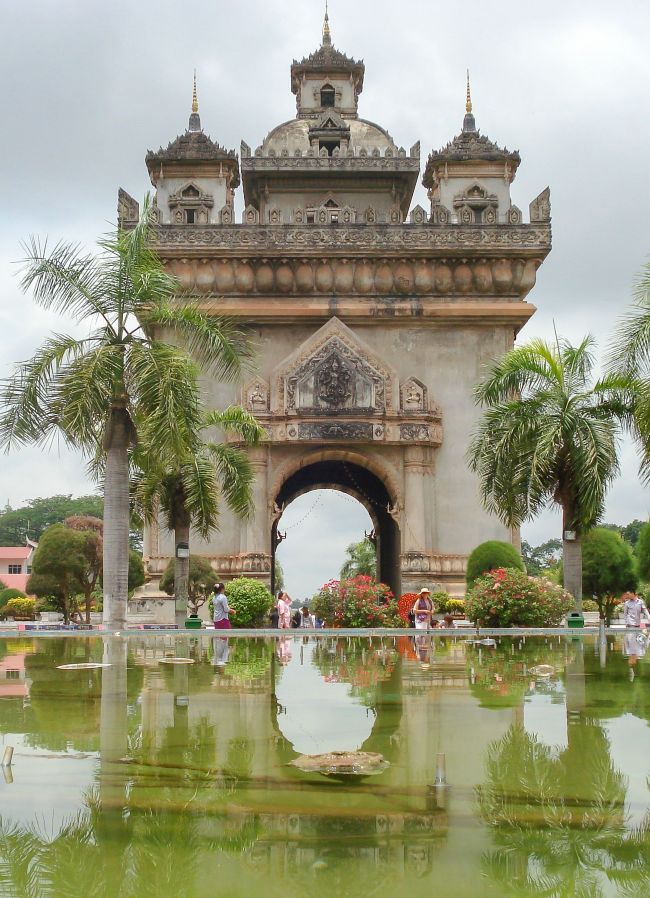
- Vientiane: The capital city, home to Pha That Luang, Patuxai Monument, Wat Sisaket, vibrant local markets, and the Mekong riverside promenade.
- Vang Vieng: One of Laos’ most popular adventure destinations, famous for limestone karsts, blue lagoons, caves, kayaking, hiking, and hot-air balloon flights.
- Thakek / Khammouane loop: Scenic circuit through central Laos famous for its limestone karsts, caves, traditional villages, natural swimming spots, and the spectacular Kong Lor Cave.
Southern Laos
- Pakse: The commercial gateway to southern Laos and the starting point for exploring the Bolaven Plateau and Wat Phou.
- Bolaven Plateau: A fertile highland region renowned for coffee plantations, spectacular waterfalls, cool temperatures, and ethnic minority villages.
- Si Phan Don (4,000 Islands): A tranquil archipelago on the Mekong River known for its relaxed atmosphere, cycling, river cruises, traditional villages, and the impressive Khone Phapheng Falls.
- Champassak / Wat Phou: UNESCO World Heritage Khmer temple complex dating back to the pre-Angkorian period, beautifully situated at the foot of Mount Phou Kao overlooking the Mekong Valley.
Last updated: July 8, 2026
Please note that this information may change. We will update this page if there are any changes related to Laos.
On the Ground in Laos
Pi Mai Lao (Lao New Year)
When: Mid-April (13–16 April)
Scope: Nationwide
Operational Considerations:
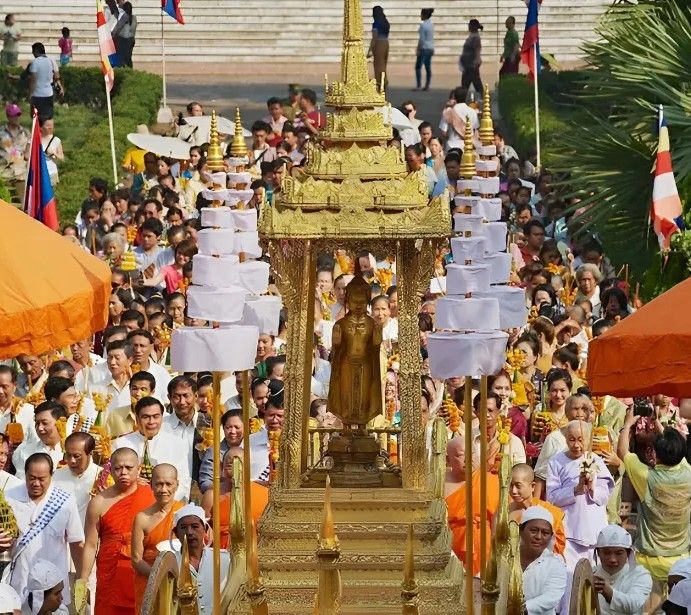
Pi Mai is Laos’ most important national celebration. Government offices, banks, and many local businesses close during the holiday period. Domestic travel increases significantly, and popular destinations such as Luang Prabang and Vientiane experience high visitor numbers. Accommodation and transport should be secured well in advance. Visitors should also be aware that water-splashing activities take place throughout the celebrations, particularly in urban areas, and should be prepared to get wet when moving around public spaces.
Program Implications:
The festival offers exceptional opportunities to experience traditional ceremonies, water-splashing celebrations, temple visits, and community festivities. It can serve as a major highlight for cultural itineraries, although schedules should allow for slower operations and increased traffic.
Market Fit: Excellent for cultural discovery, experiential travel, FIT, and small group programs.
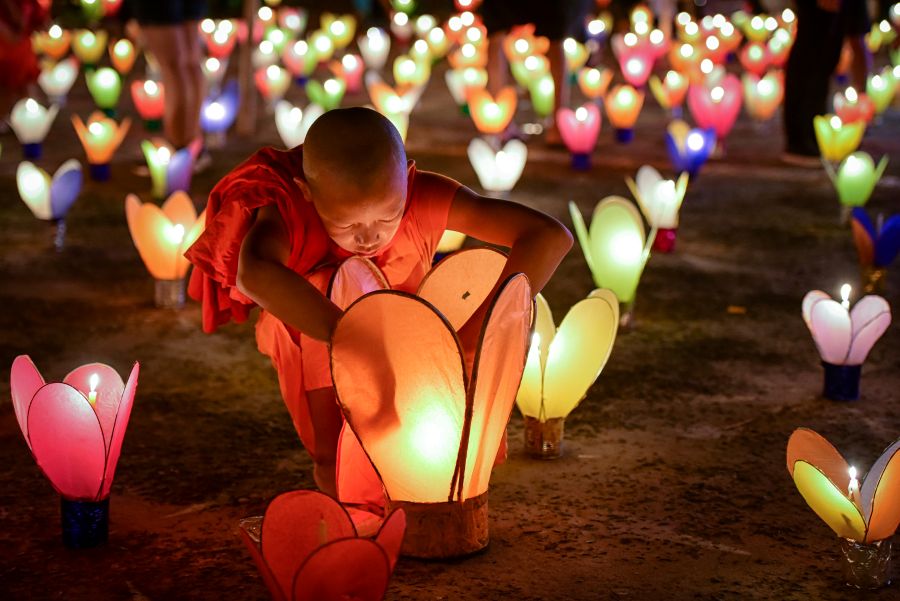
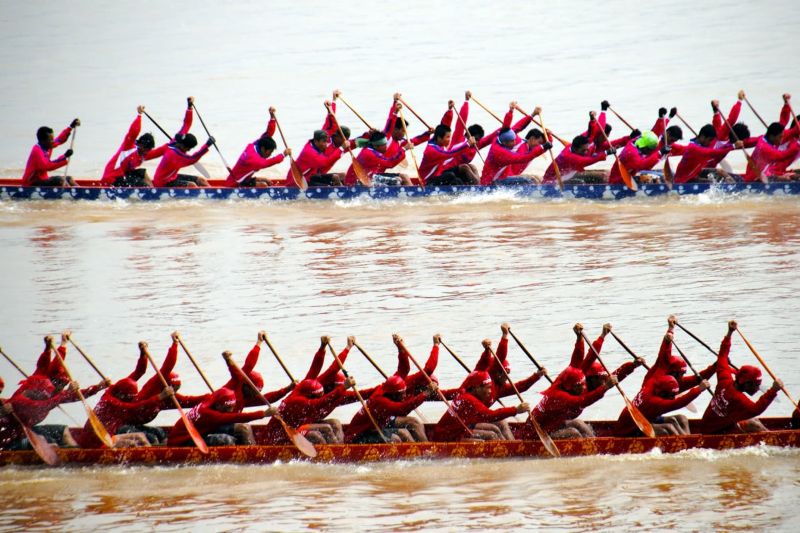
Boun Ok Phansa & Boat Racing Festival
When: October (Lunar calendar)
Scope: Nationwide (particularly Vientiane, Luang Prabang, and Savannakhet)
Operational Considerations:
The festival marks the end of Buddhist Lent and features illuminated boat processions, religious ceremonies, and traditional longboat races. Popular riverside destinations experience increased visitor numbers, particularly during weekends. Luang Prabang is especially renowned for its candlelit temple celebrations, lantern displays, and festive atmosphere, making it one of the most sought-after destinations during this period.
Program Implications:
Widely considered one of Laos’ most beautiful cultural celebrations, the festival offers a unique combination of Buddhist traditions, illuminated evening ceremonies, Mekong riverside festivities, and traditional boat racing events. It represents an excellent opportunity to enhance cultural and photography-focused itineraries.
Market Fit: Cultural itineraries, photography-focused travel, luxury travel, and Mekong River programs.
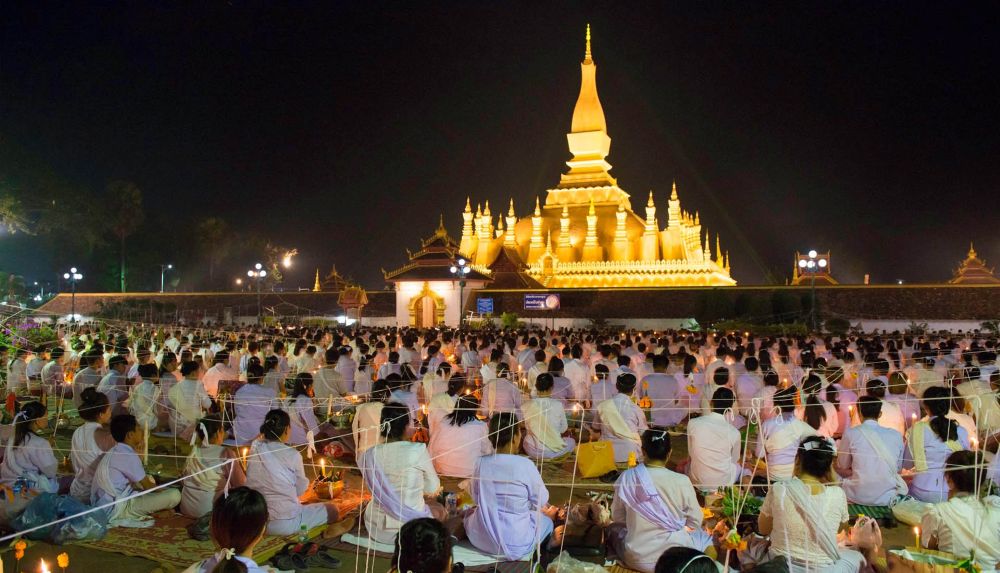
Boun That Luang Festival
When: November (Lunar calendar)
Location: Vientiane
Operational Considerations:
Centered around Pha That Luang, Laos’ most sacred Buddhist monument, this festival attracts pilgrims from across the country. Hotels in Vientiane may experience higher occupancy, although tourism infrastructure generally remains fully operational.
Program Implications:
An excellent opportunity to incorporate Buddhist traditions and religious heritage into programs visiting the capital.
Market Fit: Cultural heritage tours, educational travel, and small group itineraries.
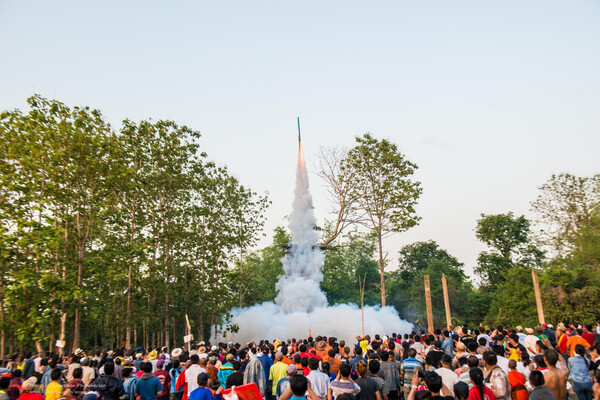
Boun Bang Fai (Rocket Festival)
When: May (before the rainy season)
Scope: Nationwide, with particularly notable celebrations in Vang Vieng and rural provinces across Laos.
Operational Considerations:
Traditional community celebrations are held before the arrival of the rainy season, featuring homemade rocket competitions, music, dancing, and local festivities. Dates vary by province. Vang Vieng hosts one of the country’s most famous celebrations, attracting large crowds and creating a lively festival atmosphere.
Program Implications:
Suitable as an authentic cultural experience when programs coincide with local celebrations. Due to varying schedules, confirmation with local partners is recommended.
Market Fit: Experiential travel, community-based tourism, and cultural immersion.
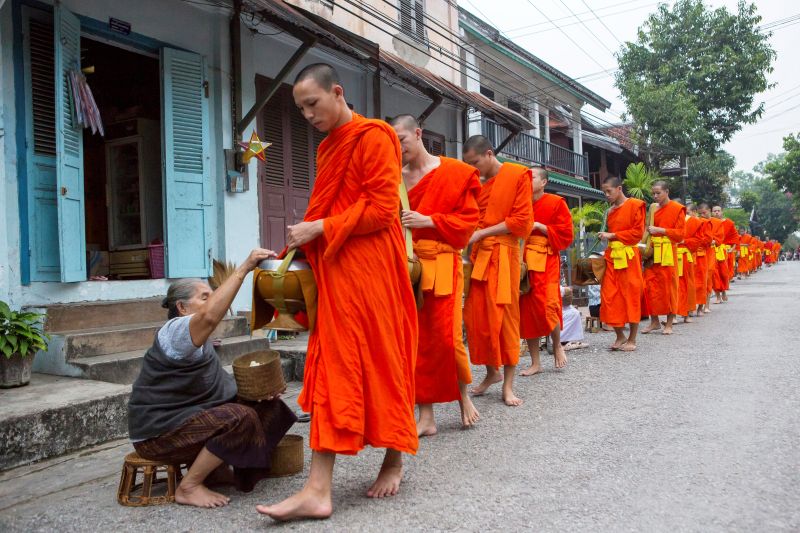
Alms Giving Ceremony (Tak Bat)
When: Daily (year-round)
Location: Luang Prabang
Operational Considerations:
Although not a festival, the morning alms-giving ceremony is one of Laos’ most iconic cultural traditions and a major attraction for visitors. Responsible visitor behavior is essential to preserve its religious significance.
Program Implications:
Easily incorporated into Luang Prabang itineraries, particularly for early morning cultural experiences. Guests should receive guidance on respectful observation before participation.
Market Fit: Luxury travel, cultural discovery, photography, and educational programs.
Note: While Tak Bat is a daily religious ritual rather than an annual festival, it is one of Laos’ most internationally recognized cultural experiences and is highly relevant for itinerary planning.
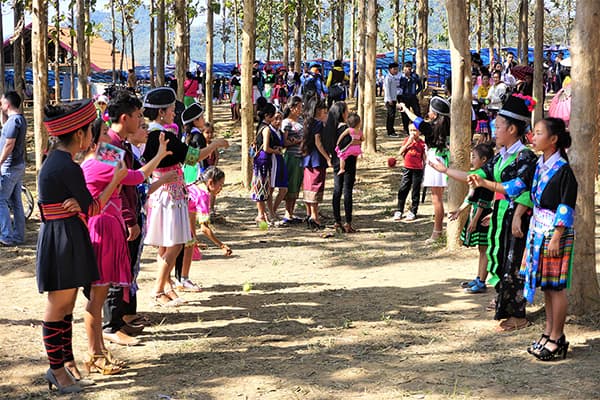
Hmong New Year
When: November – December (dates vary by community)
Location: Northern Laos
Operational Considerations:
Celebrated by Hmong communities with traditional costumes, music, dance, sporting competitions, and cultural performances. Events are generally local in scale and vary between villages.
Program Implications:
Can enhance northern Laos itineraries by providing authentic insight into the country’s ethnic diversity. Coordination with local communities is recommended.
Market Fit: Ethnic culture, community-based tourism, and special-interest travel.
Is Laos suitable for first-time visitors to Southeast Asia?
Yes. Laos is one of Southeast Asia’s most relaxed and approachable destinations, offering a slower pace of travel than many neighboring countries. It is particularly suited to travelers seeking cultural immersion, nature, and authentic local experiences rather than fast-paced sightseeing.
Can Laos be combined with neighboring countries?
Absolutely. Laos is frequently combined with Thailand, Vietnam, Cambodia, and increasingly China, creating diverse itineraries across the Greater Mekong region.
Popular combinations include:
- Luang Prabang & Chiang Rai
- Luang Prabang & Hanoi
- Southern Laos & Siem Reap
- Vientiane & Udon Thani
- Luang Prabang & Xishuangbanna (Yunnan)
- Vientiane & Kunming via the Laos–China Railway
Several international land crossings, regional flights, and the Laos–China Railway make multi-country travel both convenient and efficient.
What should travellers know before participating in the morning alms-giving ceremony?
The Tak Bat (morning alms-giving ceremony) in Luang Prabang is an important religious tradition rather than a tourist attraction.
Travellers should:
- Observe quietly.
- Dress modestly.
- Keep a respectful distance from the monks.
- Avoid using flash photography.
- Participate only if guided by local experts and following local customs.
Respectful behaviour helps preserve the authenticity of this centuries-old tradition.
What cultural etiquette should travellers know in Laos?
Lao culture values humility, patience, and respect.
Travellers should:
- Speak calmly and politely.
- Remove shoes before entering temples or private homes.
- Show respect to monks and elders.
- Avoid touching someone’s head or pointing with their feet.
- Dress modestly when visiting religious sites.
Small gestures of respect are greatly appreciated by local communities.
Is Laos suitable for luxury travel?
Yes. Although Laos is known for its authentic atmosphere, it also offers an excellent selection of boutique hotels, luxury riverside lodges, wellness retreats, and exclusive Mekong cruises, particularly in Luang Prabang and along the Mekong River.
Laos is especially attractive for travelers seeking understated luxury and meaningful experiences.
What should travellers know before visiting ethnic minority communities?
Many villages welcome visitors as part of community-based tourism initiatives.
Travellers should:
- Ask permission before taking photographs.
- Respect local customs and traditions.
- Avoid distributing money or gifts directly to children.
- Support locally operated tourism experiences whenever possible.
Responsible visits help preserve cultural heritage while benefiting local communities.
Are there any environmental guidelines travellers should follow?
Laos is home to extensive forests, protected areas, and sensitive river ecosystems.
Travellers should:
- Stay on designated trekking routes.
- Avoid disturbing wildlife.
- Never remove plants or natural objects.
- Reduce single-use plastics whenever possible.
- Follow Leave No Trace principles during outdoor activities.
Responsible travel plays an important role in protecting Laos’ natural landscapes.
What should travellers know before taking the Laos–China Railway?
The Laos–China Railway has transformed travel within northern Laos, offering a fast and comfortable connection between Vientiane, Vang Vieng, Luang Prabang, and Boten.
Passengers should be aware that security procedures at railway stations are similar to those found at airports. All luggage is screened before entering the station, and certain items are prohibited on board, including some liquids, aerosols and sprays, sharp objects, electronic cigarettes, and other restricted items. Regulations may be updated periodically.
To ensure a smooth journey, travellers should carefully follow the pre-departure guidelines provided by ASEV Travel
Can travellers purchase antiques or religious artefacts?
Travellers should avoid purchasing:
- Antique Buddha statues.
- Religious artefacts.
- Wildlife products.
- Items made from protected species.
Instead, locally produced textiles, handicrafts, and traditional Lao products provide meaningful souvenirs while supporting local artisans.
How can travellers support communities responsibly?
Travellers can contribute positively by:
- Choosing community-based tourism experiences.
- Purchasing locally made handicrafts.
- Dining at family-owned restaurants.
- Respecting local customs and traditions.
- Booking responsible experiences through trusted local operators such as ASEV.
Responsible tourism helps ensure economic benefits remain within local communities.
Who should partners contact in case of emergency?
ASEV Emergency Contact: +856 20 77 87 75 55
For child protection concerns, ASEV follows ChildSafe principles and encourages immediate reporting through local authorities or the appropriate ChildSafe channels.