
Your Trusted DMC Partner in Thailand
Thailand, The Land of Smiles
Why Thailand for Your Programs
An Iconic Destination with Endless Variety
Thailand remains one of Southeast Asia’s most iconic and sought-after destinations, offering an exceptional diversity of landscapes and experiences. From the cultural richness of Bangkok and the central plains to the mountainous north and the tropical islands of the south, the country presents a wide spectrum of atmospheres. This variety makes it a natural choice for programs that appeal to a broad range of traveler profiles.A Year-Round Destination with Regional Balance
Thailand can be enjoyed throughout the year thanks to its varied climate patterns. While the north and central regions follow a more defined seasonal rhythm, different coastal areas offer alternative beach experiences depending on the time of year. This regional balance allows for flexible travel planning and consistently rewarding experiences across seasons.A Destination for Every Travel Style
Thailand combines vibrant culture, natural beauty, and renowned hospitality, making it suitable for every type of traveler. From cultural discovery and nature exploration to wellness retreats and beach escapes, the country offers a complete range of experiences. Supported by a well-developed tourism infrastructure and excellent accessibility, Thailand remains both inspiring and easy to explore.ASEV Travel’s Expertise in Thailand
Why Work with ASEV in Thailand
- Strong expertise across Thailand with a particular focus on Northern regions
- Proven experience in designing cross-border programs combining Thailand and Laos
- Trusted local partnerships ensuring consistent service quality on the ground
- Ability to deliver both classic programs and more specialized travel experiences
What Makes Our Itineraries Different in Thailand
- In-depth knowledge of Northern Thailand, seamlessly combinable with Laos
- Specialist in off-the-beaten-track experiences, including homestays and farmstays
- Integration of nature-based programs such as Khao Sok National Park, known for its rich flora and fauna
- Curated selection of more confidential island stays (Koh Yao Noi, Koh Kood, Koh Lipe)
Why This Destination Works for Your Clients
- Iconic destination with broad appeal across all traveler profiles
- Strong diversity of experiences, from culture and nature to beach and relaxation
- Opportunity to combine classic highlights with more exclusive and immersive experiences
- Well-developed infrastructure ensuring smooth and reliable travel experiences
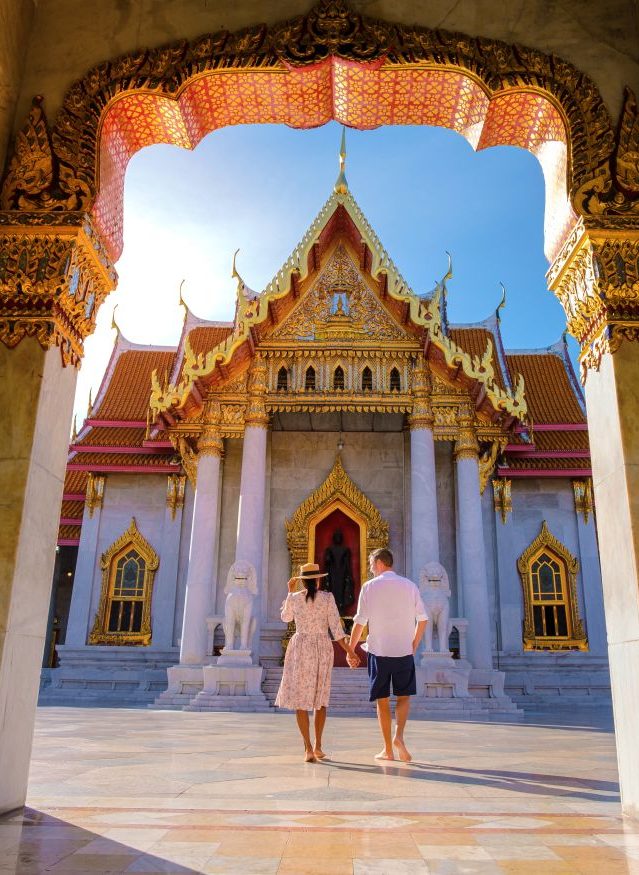
Thailand at a Glance
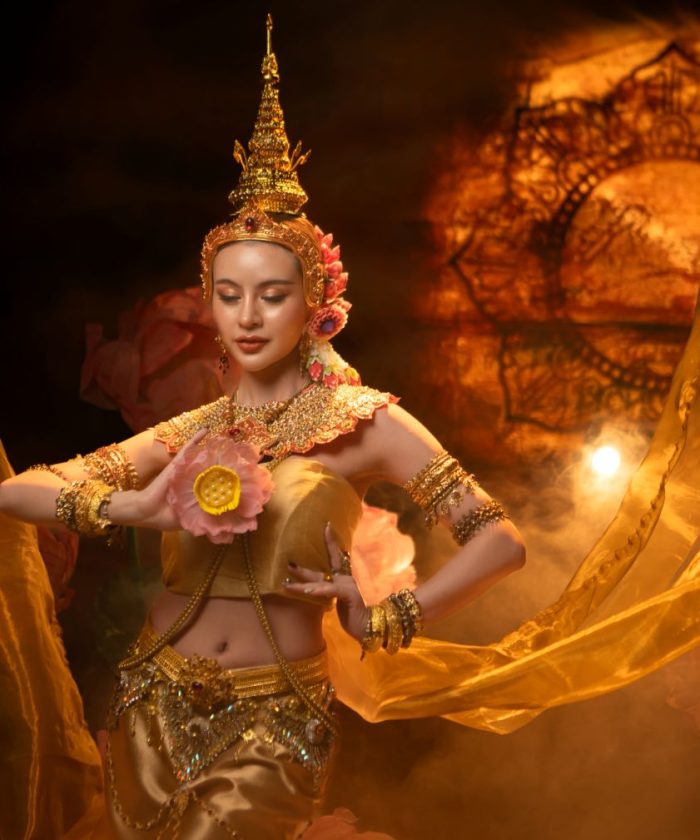
- Capital: Bangkok
- Largest City: Bangkok
- Population: ~66 million
- Currency: Thai Baht (THB)
- Time Zone: GMT +7
- Official Language: Thai
- International Dial Code: +66
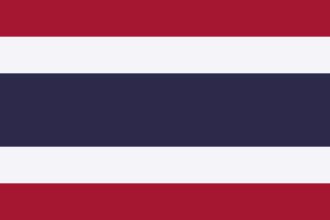
Best time to visit (Weather)
Thailand experiences a tropical climate with regional weather patterns, allowing travel throughout the year with appropriate itinerary planning.
The cool and dry season, from November to February, is generally considered the best time to visit most of the country. Pleasant temperatures and lower humidity make it ideal for exploring Bangkok, Chiang Mai, Chiang Rai, and many beach destinations.
The hot season typically runs from March to May, bringing higher temperatures across central and northern Thailand. Beach resorts remain popular during this period, while cultural sightseeing is best planned during the cooler parts of the day.
The rainy season usually extends from May to October, with tropical showers that are often brief and concentrated in the afternoon. Weather varies between coastal regions, with the Andaman Coast (Phuket, Krabi, Khao Lak) generally experiencing its wettest months from May to October, while the Gulf Coast (Koh Samui, Koh Phangan, Koh Tao) tends to receive more rainfall between October and December. Understanding these regional differences allows beach extensions to be planned successfully throughout the year.
Visa Requirements
Visa requirements for Thailand vary depending on nationality, passport type, and purpose of travel.
Citizens of certain countries may be eligible for visa exemption, while others may apply for a Thailand e-Visa or Visa on Arrival, subject to the latest immigration regulations.
All foreign travelers are also required to complete the Thailand Digital Arrival Card (TDAC) online within the prescribed period before arrival, regardless of whether they enter by air, land, or sea.
A passport valid for at least six months beyond the date of entry is generally required. As immigration regulations may change, travelers should consult the official Thai immigration authorities or the nearest Royal Thai Embassy or Consulate before departure.
Main International Airports
Thailand offers an extensive network of international airports, providing convenient access to its major cities, cultural regions, and beach destinations.
Bangkok
- Suvarnabhumi Airport (BKK) – Thailand’s primary international gateway and major hub for long-haul and regional flights.
- Don Mueang International Airport (DMK) – A key hub for low-cost carriers serving domestic and regional destinations.
Northern Thailand
- Chiang Mai International Airport (CNX) – Main gateway to Northern Thailand, providing access to Chiang Mai and the region’s cultural and natural attractions.
Southern Thailand
- Phuket International Airport (HKT) – Main gateway to Thailand’s Andaman Coast and southern beach resorts.
- Krabi International Airport (KBV) – Convenient access to Krabi, Railay Beach, Koh Lanta, and nearby islands.
- Samui International Airport (USM) – Gateway to Koh Samui and the Gulf of Thailand islands.
- Hat Yai International Airport (HDY) – Southern Thailand’s regional hub, serving both domestic and selected international routes.
Neighboring Countries (Land Borders)
- Myanmar shares the western and northwestern land border with Thailand.
- Laos shares the northern and northeastern land border with Thailand, with the Mekong River forming much of the natural boundary between the two countries.
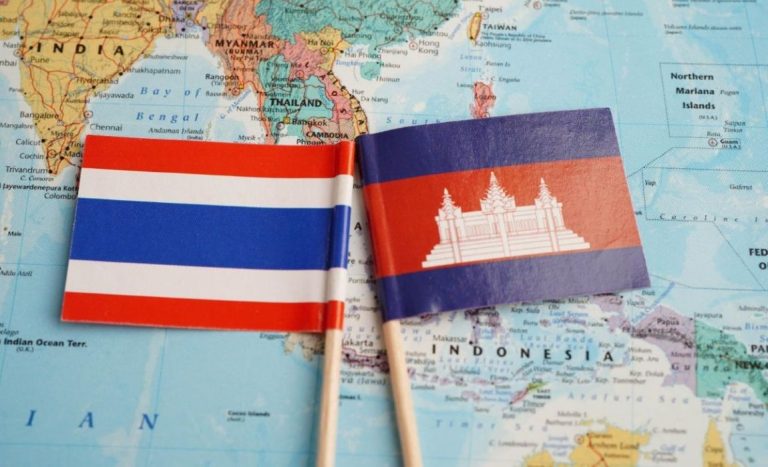
- Cambodia shares the eastern land border with Thailand, supporting popular overland routes between Bangkok, Siem Reap, and other destinations.
- Malaysia shares the southern land border with Thailand, providing convenient access for cross-border travel between Southern Thailand and Peninsular Malaysia.
Popular Land Entry Points
Thailand shares international land borders with Myanmar, Laos, Cambodia, and Malaysia, making it a key gateway for multi-country journeys across Southeast Asia.
From Cambodia: Aranyaprathet (connected to Poipet) – The busiest overland route between Bangkok and Siem Reap. (Border operating conditions may be subject to temporary restrictions or closures; current regulations should always be verified prior to travel.)
From Laos
- Nong Khai (connected to Vientiane via the First Thai–Lao Friendship Bridge)
- Chiang Khong (connected to Houay Xai via the Fourth Thai–Lao Friendship Bridge)
From Malaysia: Sadao (connected to Bukit Kayu Hitam) – The principal crossing between Thailand and Peninsular Malaysia.
From Myanmar: Mae Sai (connected to Tachileik) – The most well-known border crossing in Northern Thailand, subject to the latest border regulations.
Entry requirements and border regulations vary depending on nationality and crossing point. Travelers should verify the latest immigration procedures before departure.
Major Sites in Thailand
Thailand offers an exceptional diversity of travel experiences, from vibrant cities and ancient kingdoms to tropical islands, mountain landscapes, and world-renowned beaches. Its excellent tourism infrastructure makes it one of Southeast Asia’s most versatile destinations for FIT, group travel and luxury holidays.
Bangkok & Central Thailand
- Bangkok: Grand Palace, Wat Pho, Wat Arun, Chao Phraya River, floating markets, rooftop dining, and vibrant nightlife.
- Ayutthaya: UNESCO World Heritage Site featuring the ancient capital of Siam, historic temples, and archaeological ruins.
- Kanchanaburi: Bridge over the River Kwai, Death Railway, Erawan National Park, and waterfalls.
Northern Thailand
- Chiang Mai: Historic Old City, mountain temples, local markets, elephant sanctuaries, and renowned culinary experiences.
- Chiang Rai: White Temple (Wat Rong Khun), Blue Temple, Golden Triangle, and hill tribe communities.
- Sukhothai: UNESCO World Heritage Site and former capital of the Kingdom of Sukhothai, known for its well-preserved temple ruins, Buddha sculptures, Wat Mahathat, Wat Si Chum, and tranquil historical park.
Andaman Coast
- Phuket: Thailand’s largest island, luxury resorts, beaches, Old Town, and gateway to Phang Nga Bay.
- Krabi: Railay Beach, limestone cliffs, island-hopping, and adventure activities.
- Khao Lak: Peaceful beaches, luxury resorts, and gateway to the Similan and Surin Islands.
Gulf of Thailand
- Koh Samui: Luxury beach resorts, wellness retreats, coconut plantations, and family-friendly beaches.
- Koh Phangan: Tropical beaches, marine activities, and wellness tourism.
- Koh Tao: One of Asia’s leading destinations for scuba diving and snorkeling.
Last updated: July 9, 2026
Please note that this information may change. We will update this page if there are any changes related to Thailand.
On the Ground in Thailand
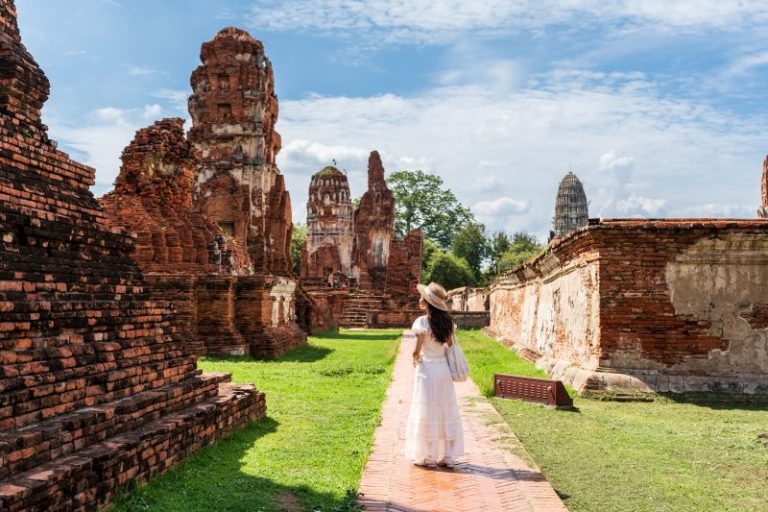
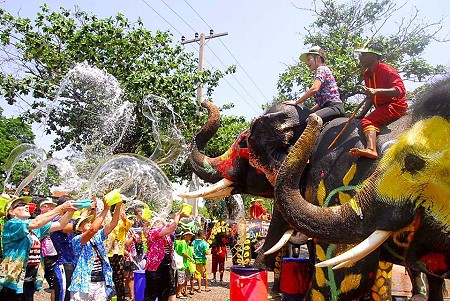
Songkran (Thai New Year)
When: 13–15 April (celebrations may extend in some destinations)
Scope: Nationwide
Operational Considerations:
Songkran is Thailand’s most important national holiday, resulting in significant domestic travel, high hotel occupancy, and increased demand for transportation. Many businesses close during the official holiday period, while tourist areas remain lively with water celebrations. Travellers should expect to encounter widespread water throwing in public areas, particularly in city centres and popular tourist destinations, and may get wet while moving between attractions.
Program Implications:
A unique opportunity for travellers to experience one of Southeast Asia’s most famous cultural festivals. Programs should allow additional travel time due to increased traffic and crowds.
Market Fit: Cultural discovery, FIT, small groups and experiential programs.
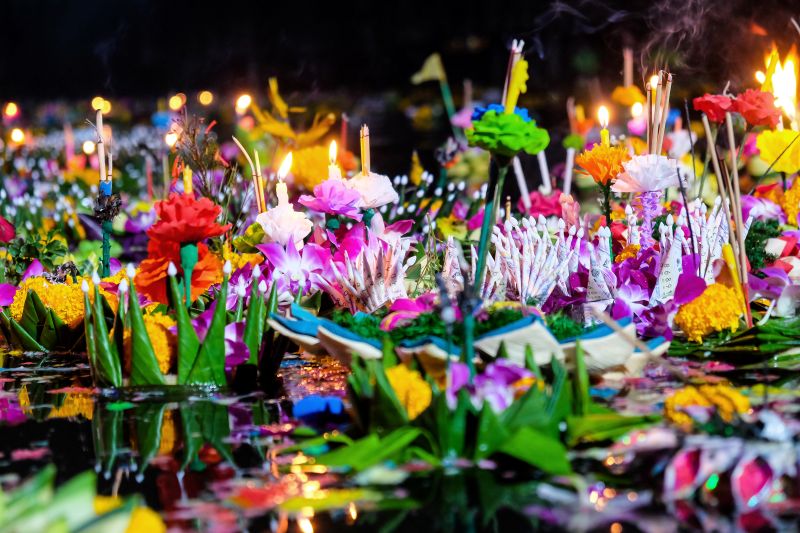
Loy Krathong
When: November (Full Moon of the 12th Lunar Month)
Scope: Nationwide
Operational Considerations:
Hotels and popular riverside destinations experience increased visitor numbers, particularly in Bangkok, Chiang Mai, Sukhothai, and Ayutthaya.
Program Implications:
An excellent addition to cultural itineraries, allowing travellers to participate in floating lantern ceremonies and evening cultural events.
Market Fit: Luxury FIT, honeymoon, photography, and cultural programs.
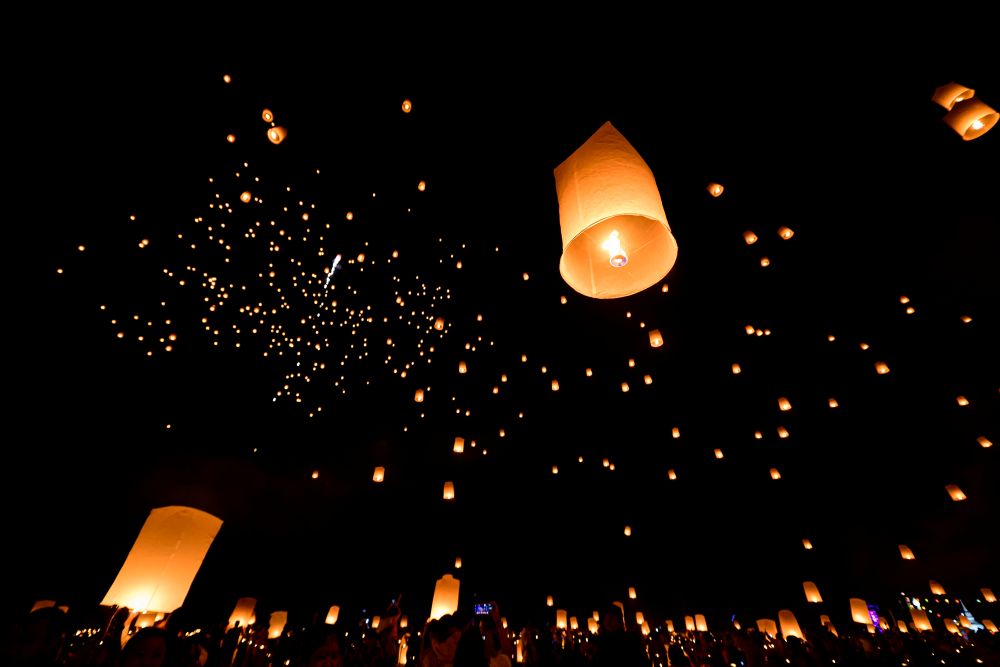
Yi Peng Lantern Festival
When: November (coincides with Loy Krathong)
Location: Chiang Mai
Operational Considerations:
One of Thailand’s most sought-after festivals, attracting large numbers of international visitors. Accommodation and flights should be booked several months in advance.
Program Implications:
A major highlight for Northern Thailand itineraries, offering spectacular lantern releases, temple ceremonies, and traditional Lanna cultural performances.
Market Fit: Luxury travel, honeymoon, photography, and premium cultural experiences.
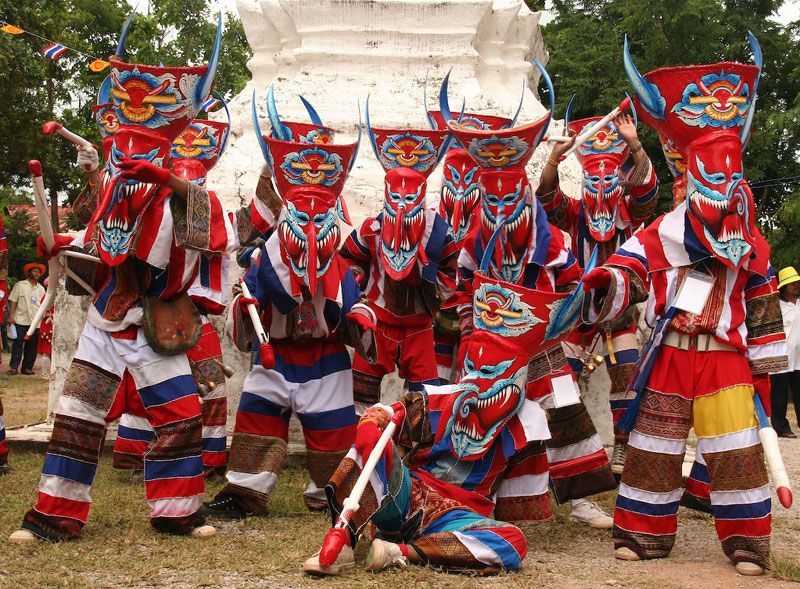
Phi Ta Khon (Ghost Festival)
When: June or July (dates vary annually)
Location: Dan Sai, Loei Province
Operational Considerations:
A unique local festival featuring colourful masks, traditional parades, and community celebrations. Accommodation in Dan Sai is limited and should be reserved well in advance.
Program Implications:
Suitable as a niche cultural extension for travellers seeking authentic regional traditions beyond Thailand’s main tourist routes.
Market Fit: Cultural immersion, special-interest travel, and repeat visitors.
Is Thailand suitable for first-time visitors to Southeast Asia?
Yes. Thailand is one of Southeast Asia’s most accessible destinations, offering excellent tourism infrastructure, a wide range of accommodation, and convenient domestic transport. It is well suited to FIT, group travel, luxury holidays, family vacations, and incentive programs.
Can Thailand be combined with neighboring countries?
Absolutely. Thailand serves as a major regional hub and is frequently combined with Cambodia, Laos, Malaysia, Singapore, and Vietnam through both air and land connections.
Popular combinations include:
- Bangkok & Siem Reap
- Chiang Mai & Luang Prabang
- Phuket & Singapore
- Bangkok & Ho Chi Minh City
Its extensive flight network makes multi-country itineraries easy to design.
What should travellers know before visiting elephant sanctuaries?
Thailand offers a variety of elephant experiences, but not all operate to the same welfare standards.
ASEV recommends visiting responsible elephant sanctuaries that focus on animal welfare and natural behaviour. Activities involving elephant riding, performances, or unnatural interactions should be avoided.
Travellers should follow their guide’s instructions and observe elephants respectfully from appropriate distances.
Which beach destination is best at different times of the year?
Thailand’s beach destinations experience different weather patterns.
- Andaman Coast (Phuket, Krabi, Khao Lak): generally best from November to April.
- Gulf of Thailand (Koh Samui, Koh Phangan, Koh Tao): often enjoys more favourable weather between May and September, with its wetter period typically occurring later in the year.
Understanding these regional differences allows beach holidays to be planned successfully throughout the year.
What cultural etiquette should travellers know?
Thailand is a predominantly Buddhist country where politeness and respect are highly valued.
Travellers should:
- Dress modestly when visiting temples.
- Remove shoes before entering temples and many private homes.
- Avoid touching someone’s head.
- Avoid pointing feet towards people or Buddha images.
- Show respect towards monks and religious ceremonies.
Simple courtesy and a friendly attitude are always appreciated.
What should travellers know before visiting floating markets?
Floating markets remain one of Thailand’s iconic cultural experiences, although some are more authentic than others.
Travellers should:
- Visit early in the morning for the best atmosphere.
- Respect local vendors and residents.
- Avoid blocking narrow walkways or canals.
- Follow local guide recommendations for less crowded experiences.
Are there any environmental guidelines for island and marine excursions?
Yes. Thailand’s marine parks and coral reefs are environmentally sensitive.
Travellers should:
- Avoid touching coral reefs or marine wildlife.
- Never collect shells or coral.
- Use reef-safe sunscreen whenever possible.
- Follow regulations within marine national parks.
- Dispose of waste responsibly.
Responsible tourism helps preserve Thailand’s coastal ecosystems.
Can travellers purchase Buddha statues or religious artefacts?
Small decorative souvenirs are widely available. However, antique Buddha images, archaeological artefacts, and certain religious objects may be subject to export restrictions.
Travellers should purchase souvenirs from reputable retailers and avoid acquiring genuine antiques or protected cultural objects.
Is bargaining common in Thailand?
Yes, bargaining is common in traditional markets and some independent shops, but it is generally not expected in shopping malls, department stores, restaurants, or businesses with fixed prices.
Travellers should negotiate politely and with good humour, as respectful interactions are valued in Thai culture.
How can travellers support local communities responsibly?
Travellers can make a positive contribution by:
- Supporting locally owned restaurants and businesses.
- Purchasing authentic Thai handicrafts.
- Choosing responsible wildlife experiences.
- Respecting local customs and traditions.
- Booking community-based experiences recommended by ASEV.
Responsible tourism helps preserve local culture while supporting community livelihoods.
What emergency contact information should partners provide?
For child protection concerns, ASEV follows the ChildSafe principles and encourages immediate reporting through the appropriate local authorities or child protection organizations.
Childline Thailand (National Child Helpline): 1387 (24-hour hotline)
ChildSafe Thailand (Bangkok): +66 86 971 8861
ChildSafe Email: report@thinkchildsafe.org