
Your Trusted DMC Partner in Cambodia
Cambodia,The Land of Time
Why Cambodia for Your Programs
A Destination Built Around Cultural Heritage
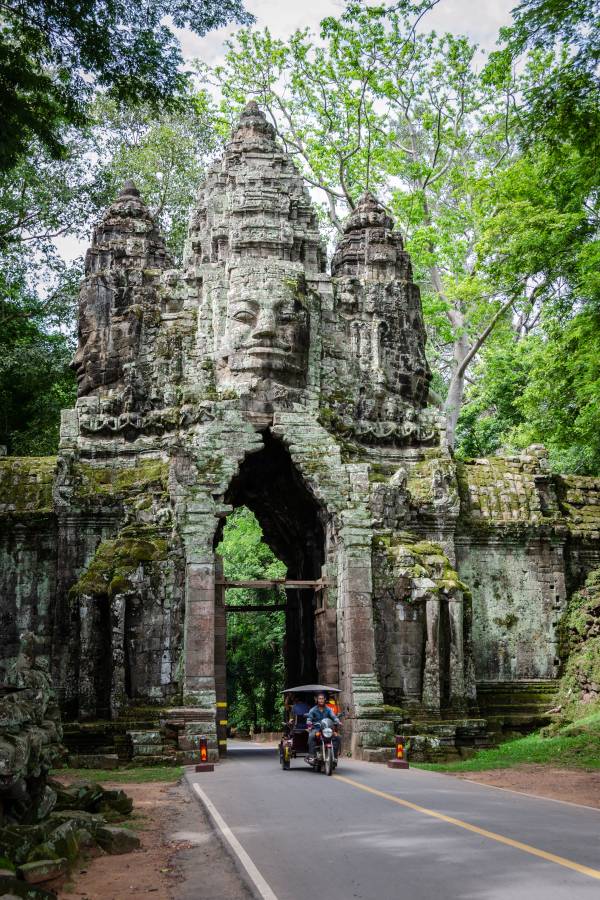
Cambodia is anchored by one of the world’s most iconic cultural sites, the Angkor temples, offering a unique concentration of heritage within a compact region. Beyond Siem Reap, Phnom Penh and other historical areas add further depth, allowing programs to combine major highlights with meaningful cultural discovery. This strong heritage focus provides a clear and compelling foundation for itinerary design.A Natural Fit for Regional Combinations
Cambodia integrates seamlessly within broader Southeast Asia itineraries, particularly with Vietnam and Laos. Its geographic position allows for smooth cross-border programs along the Mekong corridor or through combined cultural journeys. It can also be extended with destinations such as Thailand or Singapore, offering flexible program design across the region.A Growing Destination with Strong Foundations
Alongside its cultural richness, Cambodia benefits from a steadily developing tourism infrastructure. A solid accommodation offering, improving connectivity, and an experienced local tourism sector support reliable program delivery across the country. Combined with an expanding range of experiences beyond Angkor, Cambodia offers both ease of operation and increasing diversity for travel programs.ASEV Travel’s Expertise in Cambodia
Why Work with ASEV in Cambodia
- Established local presence with strong operational expertise across Cambodia
- Staffed guides and trusted local partnerships ensuring consistent service quality
- Recognized experience in both leisure and MICE program design
- Biosphere partner office actively engaged in responsible tourism initiatives
What Makes Our Itineraries Different in Cambodia
- Exclusive visits to Angkor using eco-friendly transport solutions
- Integration of local associations and community-based initiatives
- Carefully designed programs balancing iconic sites with lesser-known experiences
- Flexible itineraries combining cultural heritage, nature, and coastal extensions
Why This Destination Works for Your Clients
- A destination defined by the iconic Angkor temples
- Strong cultural identity within a compact and accessible geography
- Well-suited for both focused stays and regional extensions
- Growing diversity of experiences beyond its main highlights
Our Cambodia Expert

Mr. Frédéric Amat
Country Manager | frederic@asev-travel.com
Based in Siem Reap, Fred leads ASEV Travel’s Cambodia operations and works closely with partners across the country. A former journalist who has called Cambodia home for more than a decade, he brings extensive local knowledge and a genuine passion for sharing the Kingdom’s rich heritage, culture, and contemporary life with travellers.
“Beyond its iconic temples, Cambodia reveals itself through its people, traditions, and everyday moments that leave lasting memories.”
Cambodia at a Glance

- Capital: Phnom Penh
- Largest City: Phnom Penh
- Population: ~17 million
- Currency: Cambodian Riel (KHR) (US Dollar is also widely accepted)
- Time Zone: GMT +7
- Official Language: Khmer
- International Dial Code: +855
Best time to visit (Weather)
Cambodia has a tropical monsoon climate with two distinct seasons, making travel possible throughout the year.
The dry season extends from November to March, bringing sunny weather and lower humidity. November to February offers the most comfortable temperatures and is generally considered the best period for cultural touring, temple visits, and beach holidays.
The hot season typically occurs between April and May, with higher temperatures across the country, particularly around Angkor and Phnom Penh.
The rainy season runs from June to October, when short tropical showers refresh the countryside and fill Tonlé Sap Lake. Rainfall is usually concentrated in the afternoon, while mornings often remain suitable for sightseeing. This season offers lush landscapes, fewer visitors, and excellent photography opportunities.
Visa Requirements
Visa requirements for Cambodia vary depending on nationality and length of stay.
Citizens of certain countries are eligible for visa exemption, while many nationalities can apply for a Cambodia e-Visa before departure or obtain a Visa on Arrival at designated international airports and selected land border crossings.
A passport valid for at least six months beyond the date of entry is required. As immigration regulations may change, travelers should verify the latest requirements before departure.
For official and updated information, travelers should consult the Cambodian government’s official e-Visa website or the nearest Cambodian diplomatic mission.
Main International Airports
Cambodia’s international gateways connect the country’s major tourism and business destinations.
- Phnom Penh International Airport
- Siem Reap–Angkor International Airport
- Sihanouk International Airport
Neighboring Countries (Land Borders)
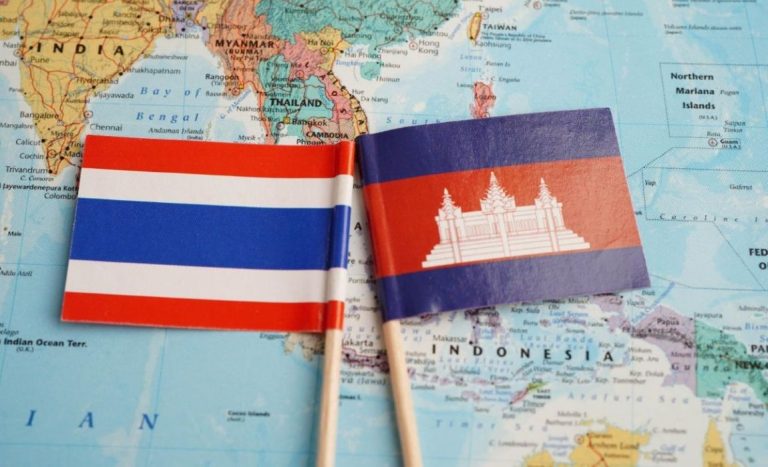
- Thailand shares the northwestern land border with Cambodia.
- Laos shares the northern land border with Cambodia.
- Vietnam shares the eastern and southeastern land borders with Cambodia, supporting numerous overland travel routes between the two countries.
Popular Land Entry Points
Cambodia shares international land borders with Thailand, Laos, and Vietnam, making it an important destination for multi-country itineraries across Indochina.
Travel Advisory (temporary): Due to ongoing border tensions between Thailand and Cambodia, overland travel between the two countries is currently subject to significant restrictions and may not be possible through certain border checkpoints. Air travel remains unaffected.
From Thailand
- Poipet (connected to Aranyaprathet)
- Cham Yeam (connected to Hat Lek)
From Vietnam
- Bavet (connected to Moc Bai)
- Kaam Samnor (connected to Vinh Xuong)
- Prek Chak (connected to Xa Xia / Ha Tien)
From Laos: Trapeang Kriel (connected to Veun Kham)
Visa availability and entry requirements vary depending on nationality and border crossing. Travelers should verify the latest immigration regulations before departure.
Major Sites in Cambodia
Cambodia combines one of the world’s greatest archaeological treasures with vibrant cities, river landscapes, tropical islands, and authentic rural experiences. Beyond Angkor, the country offers a rich blend of Khmer heritage, local communities, and emerging coastal destinations.
Northwestern Cambodia
- Siem Reap: Gateway to Angkor Archaeological Park, vibrant markets, traditional Apsara performances, and contemporary Khmer arts.
- Angkor Archaeological Park: UNESCO World Heritage Site featuring Angkor Wat, Bayon Temple, Ta Prohm, and numerous ancient Khmer monuments.
- Tonlé Sap Lake: Southeast Asia’s largest freshwater lake, famous for floating villages, unique ecosystems, and seasonal river dynamics.
- Battambang: Historic riverside city celebrated for its colonial architecture, authentic countryside experiences, traditional arts, local villages, and the iconic Bamboo Train.
Central Cambodia
- Phnom Penh: Cambodia’s capital, home to the Royal Palace, Silver Pagoda, National Museum, Wat Phnom, and the city’s vibrant riverside district.
- Kampong Thom: Gateway to Sambor Prei Kuk, Cambodia’s oldest UNESCO World Heritage archaeological site.
Southern Cambodia
- Kampot: Colonial riverside town renowned for Kampot pepper plantations, limestone caves, and relaxed countryside.
- Kep: Coastal destination known for fresh seafood, Crab Market, and nearby Rabbit Island.
- Sihanoukville: Cambodia’s principal beach destination and gateway to the southern islands.
- Koh Rong & Koh Rong Samloem: Tropical islands offering white-sand beaches, snorkeling, diving, and luxury island escapes.
Last updated: July 8, 2026
Please note that this information may change. We will update this page if there are any changes related to Cambodia.
On the Ground in Cambodia

Water Festival (Bon Om Touk)
When: October or November (Lunar calendar)
Location: Nationwide, with the largest celebrations in Phnom Penh
Operational Considerations:
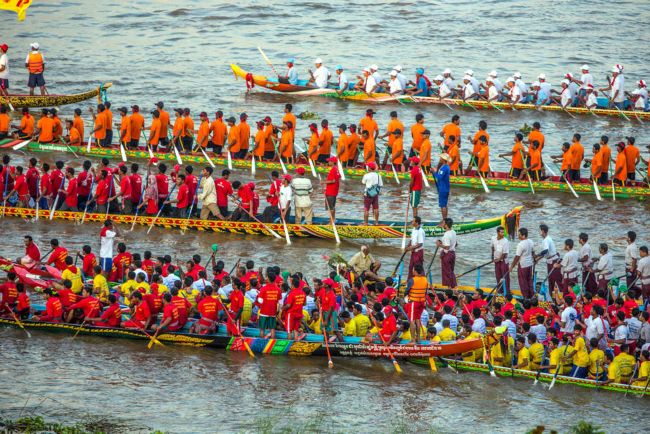
The Water Festival celebrates the annual reversal of the Tonlé Sap River, one of Cambodia’s most unique natural phenomena. The festival attracts large domestic crowds, particularly along Phnom Penh’s riverfront, leading to increased hotel occupancy and heavier traffic.
Program Implications:
A strong addition to Phnom Penh itineraries, combining longboat races, illuminated boat parades, fireworks, and cultural festivities.
Market Fit: Cultural programs, photography tours, and event-based itineraries.
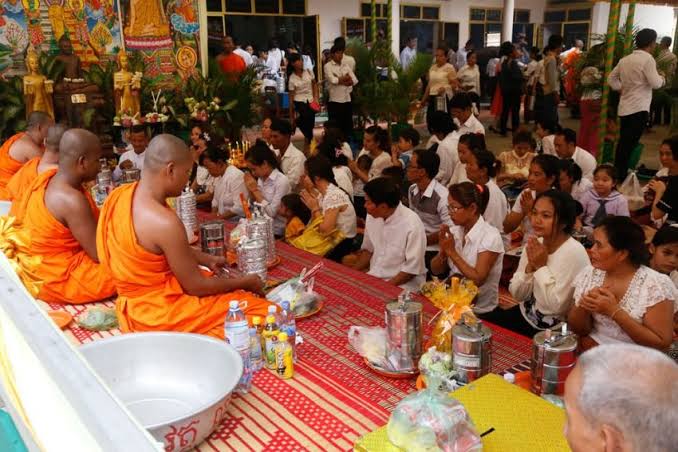
Pchum Ben (Ancestors' Day)
When: September or October (15-day Buddhist observance)
Scope: Nationwide
Operational Considerations:
Many Cambodians return to their hometowns to pay respects to their ancestors at local pagodas. While tourism services generally continue operating, some local businesses may reduce staffing during the main public holiday.
Program Implications:
Offers valuable insight into Cambodian Buddhist traditions and family customs. Temple visits during this period provide meaningful cultural experiences when conducted respectfully.
Market Fit: Cultural heritage, educational travel, and small group itineraries.
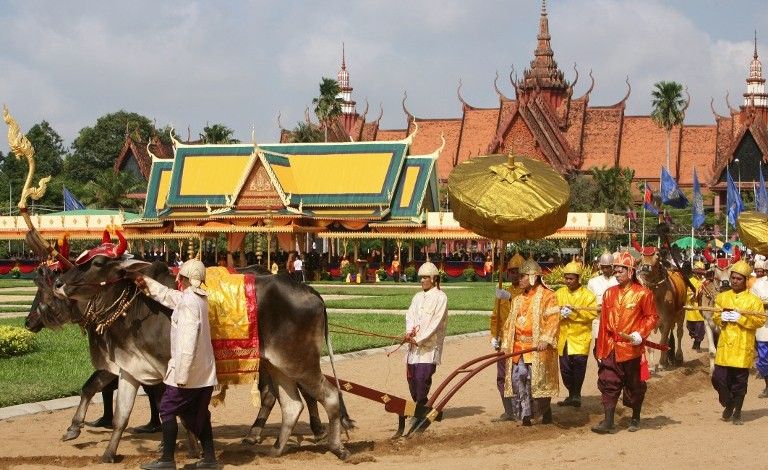
Royal Ploughing Ceremony
When: May
Location: Phnom Penh
Operational Considerations:
This centuries-old royal ceremony marks the traditional beginning of the rice-growing season and reflects Cambodia’s deep agricultural heritage. The event is attended by government officials, local communities, and visitors.
Program Implications:
Can complement Phnom Penh itineraries when travel dates coincide with the ceremony. As the event lasts only one day, itinerary flexibility is recommended.
Market Fit: Cultural heritage, educational programs, and special-interest travel.
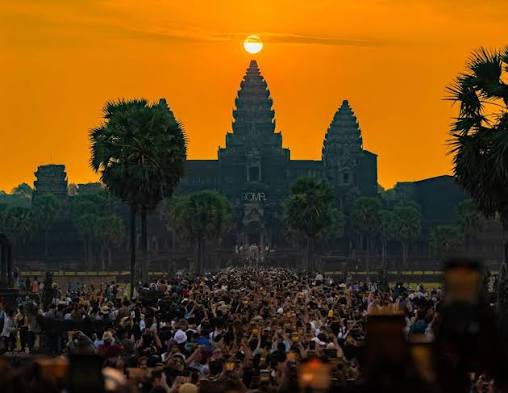
Angkor Equinox (Sunrise Alignment at Angkor Wat)
When: Around the March and September equinoxes
Location: Angkor Wat, Siem Reap
Operational Considerations:
Twice each year, thousands of visitors gather before sunrise to witness the sun rising directly above Angkor Wat’s central tower, creating one of Cambodia’s most iconic photographic moments. Visitor numbers increase significantly during these mornings.
Program Implications:
An excellent enhancement for Siem Reap itineraries focused on photography, archaeology, and cultural heritage. Early departures and advance planning are recommended due to increased crowds.
Market Fit: Photography enthusiasts, luxury FIT, cultural discovery, and heritage-focused programs.
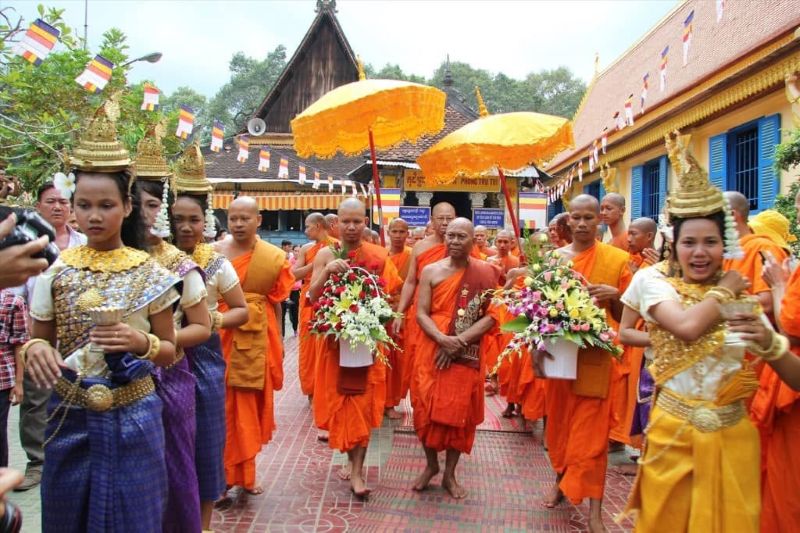
Khmer New Year (Chaul Chnam Thmey)
When: Mid-April
Scope: Nationwide
Operational Considerations:
Khmer New Year is Cambodia’s most important national holiday. Government offices, banks, and many local businesses close during the celebrations, while domestic travel demand increases significantly. Popular destinations such as Siem Reap, Phnom Penh, and coastal resorts experience high occupancy.
Program Implications:
The festival offers visitors the opportunity to experience traditional ceremonies, temple visits, cultural performances, and community celebrations. Early confirmation of accommodation, transportation, and guiding services is strongly recommended.
Market Fit: Ideal for cultural discovery, experiential travel, FIT, and small group programs.
Are there any special etiquette rules when visiting Angkor Wat and other temples?
Yes. Angkor Archaeological Park remains an active religious site as well as a UNESCO World Heritage Site. Visitors should dress modestly, speak quietly inside temples, and avoid climbing on restricted structures or touching ancient carvings.
Respecting these rules helps preserve Cambodia’s cultural heritage while ensuring a positive visitor experience.
Can clients combine Cambodia with neighboring countries?
Absolutely. Cambodia is frequently combined with Vietnam, Laos, and Thailand through both air and land connections.
Popular combinations include:
- Siem Reap & Ho Chi Minh City
- Phnom Penh & Mekong Delta
- Siem Reap & Bangkok
- Southern Laos & Northern Cambodia
Cross-border programs should always allow sufficient time for immigration procedures and seasonal traffic.
Is Cambodia suitable for luxury travel?
Yes. While Angkor remains Cambodia’s best-known attraction, the country has developed a strong luxury offering including boutique heritage hotels, high-end wellness retreats, private temple experiences, river cruises, and exclusive island resorts such as Koh Rong and Song Saa.
Cambodia combines authentic cultural experiences with an increasingly sophisticated hospitality sector.
How many days are recommended for Cambodia?
While Cambodia’s highlights can be experienced in a shorter timeframe, 7–10 days is generally recommended to fully appreciate the country’s rich cultural heritage, vibrant cities, rural landscapes, and coastal regions.
Longer stays allow travellers to venture beyond Angkor and discover destinations such as Battambang, Tonlé Sap, Kampot, Kep, and the southern islands, each offering a distinct perspective on Cambodia.
Cambodia also combines seamlessly with neighboring countries as part of wider Indochina journeys.
What should travellers know about Cambodia's recent history?
Sites such as the Tuol Sleng Genocide Museum and the Killing Fields are important historical memorials. Visitors should approach these places respectfully, as they commemorate one of Cambodia’s most difficult periods.
These visits often provide valuable historical context but may not be suitable for every travel profile.
Is it appropriate to give money or gifts to children?
No. Direct donations may unintentionally encourage begging or school absenteeism.
Travellers wishing to support local communities are encouraged to contribute through reputable community projects or organisations recommended by ASEV and local partners.
What should travellers know before visiting floating villages?
Floating villages on Tonlé Sap Lake are living communities rather than tourist attractions.
Visitors should:
- Respect residents’ privacy.
- Avoid intrusive photography.
- Follow local guide instructions.
- Support community-operated services whenever possible.
Responsible visits help ensure tourism benefits local families while protecting this unique way of life.
Are there any important cultural customs travellers should know?
Cambodians generally value humility and respectful behaviour.
Travellers should:
- Avoid touching someone’s head.
- Dress modestly at religious sites.
- Show respect to monks and elders.
- Avoid public displays of anger or confrontation.
Simple greetings and polite behaviour are always appreciated.
Can travellers purchase antiques or archaeological artefacts?
No. Cambodia strictly regulates the export of cultural heritage.
Travellers should avoid purchasing:
- Ancient sculptures
- Temple carvings
- Antique Buddha statues
- Archaeological artefacts
Instead, locally made Khmer handicrafts provide meaningful souvenirs while supporting local artisans.
What wildlife and environmental guidelines should travellers follow?
Cambodia protects several important ecosystems, including the Cardamom Mountains, Tonlé Sap Biosphere Reserve, and coastal marine areas.
Travellers should never:
- Feed or disturb wildlife.
- Remove plants or natural objects.
- Leave litter in protected areas.
- Purchase products made from endangered species.
Responsible travel helps preserve Cambodia’s biodiversity.
How can travellers support local communities responsibly?
Travellers can make a positive impact by:
- Purchasing locally produced handicrafts.
- Dining at family-owned restaurants.
- Choosing community-based tourism experiences.
- Respecting local customs and traditions.
- Booking responsible experiences through trusted local operators such as ASEV.
Who should partners contact in case of emergency?
ASEV Emergency Contact: +855 17 358 758
For child protection concerns, ASEV follows ChildSafe principles and encourages immediate reporting through local authorities or the appropriate ChildSafe channels.