
Your Trusted DMC Partner in Malaysia
Malaysia, The Land of Harmony
Why Malaysia for Your Programs
A Mosaic of Cultures and Landscapes
Malaysia offers a rich blend of cultures, traditions, and environments within a single destination. From the modern skyline of Kuala Lumpur to colonial heritage towns, lush highlands, and the wild nature of Borneo, the country reveals a wide variety of contrasts. This diversity allows journeys to combine urban energy, cultural depth, and natural exploration in a seamless way.A Destination of Authentic Encounters
Still relatively under the tourist radar, Malaysia offers a more genuine and less crowded travel experience. Its multicultural identity is reflected in everyday life, from vibrant food markets and religious diversity to local traditions and tea-growing regions. This authenticity makes it ideal for cultural immersion and meaningful encounters.A Flexible and Well-Connected Destination
Malaysia benefits from strong accessibility, with direct international flights into Kuala Lumpur as a major regional hub, as well as excellent connections via nearby Singapore. The country is easy to explore, whether as a standalone destination or as part of a broader journey. From mainland cultural circuits to soft adventure in Borneo, and coastal or nature extensions, Malaysia offers flexible travel options supported by reliable infrastructure.ASEV Travel’s Expertise in Malaysia
Why Work with ASEV in Malaysia
- Strong expertise in mainland Malaysia, combining cultural heritage and local immersion
- In-depth knowledge of Borneo for nature and wildlife-focused journeys
- Trusted local partnerships ensuring consistent service quality
- Seamless coordination across regions, including extensions via Singapore or Thailand
What Makes Our Itineraries Different in Malaysia
- Cultural and culinary journeys showcasing food markets, tea regions, and Malaysia’s multicultural heritage
- Soft adventure experiences highlighting Borneo’s exceptional biodiversity and wildlife
- Balanced itineraries combining vibrant cities, highlands, rainforest, and coastal escapes
- Flexible short stays and extensions, including overland journeys from Singapore, Thailand or beyond
Why This Destination Works for Your Clients
- Easy-to-navigate destination with strong accessibility via Kuala Lumpur and Singapore
- Diverse experiences within one country, from culture to nature and soft adventure
- Ideal for both standalone discovery and multi-country combinations
- Authentic and strong alternative within Southeast Asia
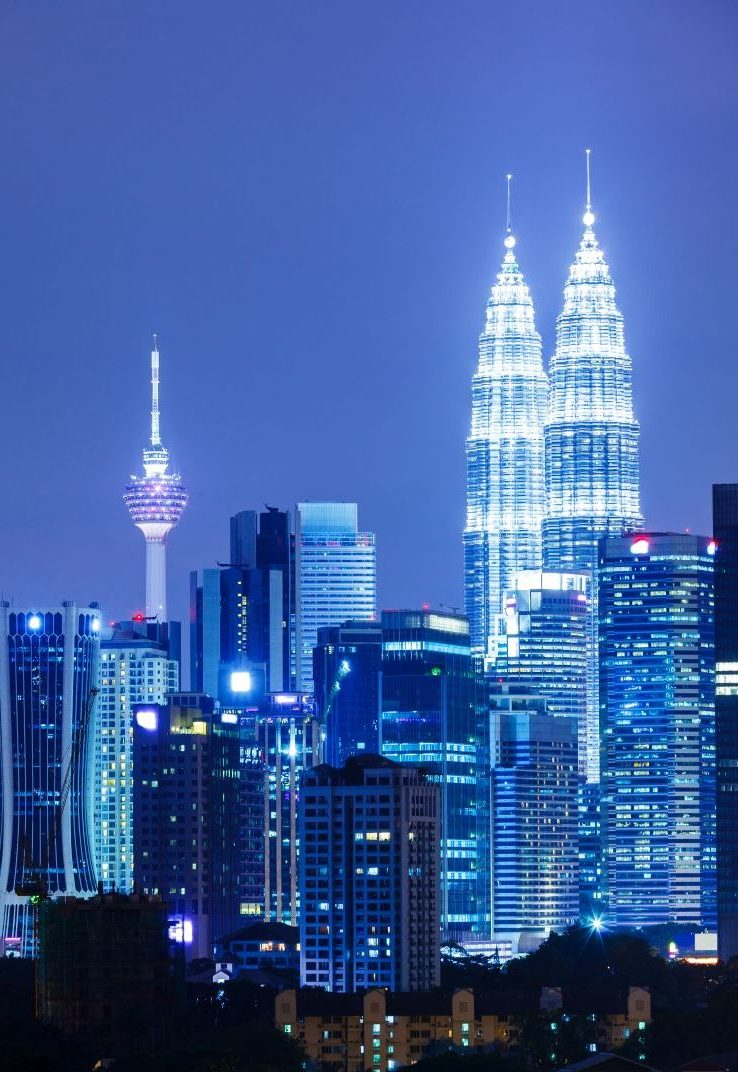
Malaysia at a Glance
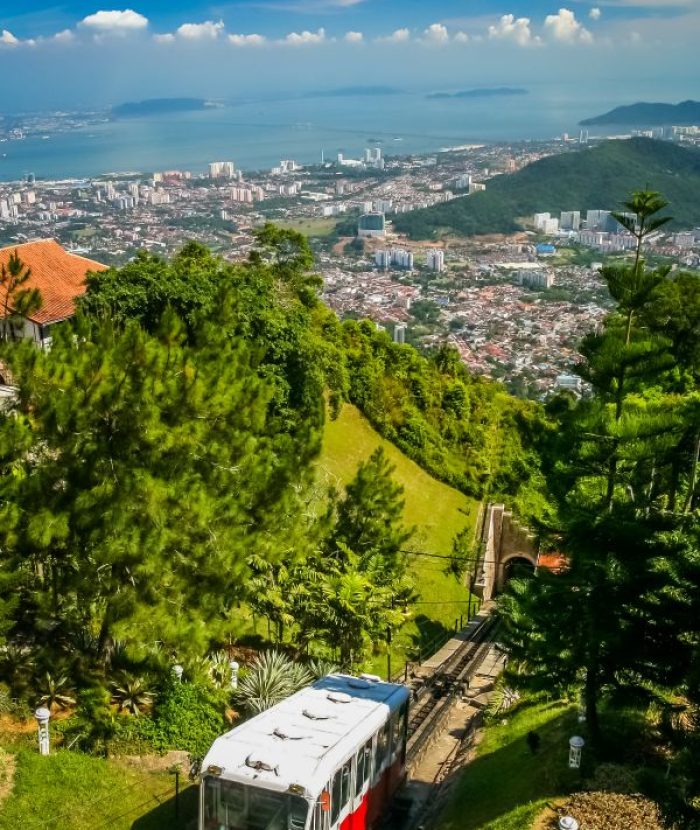
- Capital: Kuala Lumpur
- Largest City: Kuala Lumpur
- Population: ~35 million
- Currency: Malaysian Ringgit (MYR)
- Time Zone: GMT +8
- Official Language: Malay (Bahasa Malaysia)
- International Dial Code: +60
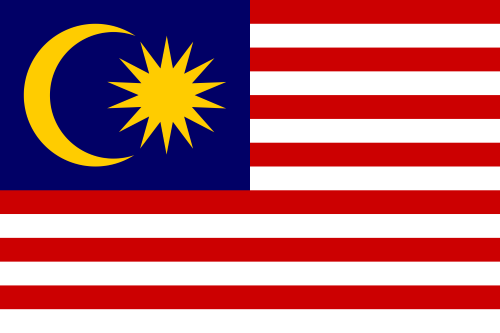
Best time to visit (Weather)
Malaysia’s tropical climate offers warm temperatures throughout the year, making it a year-round destination. However, weather patterns vary between Peninsular Malaysia and Malaysian Borneo, allowing flexible itinerary planning across different seasons.
Peninsular Malaysia (Kuala Lumpur, Malacca, Penang, Langkawi) experiences warm temperatures year-round, with the west coast generally enjoying its driest conditions from December to April. The east coast (including the Perhentian Islands, Redang, and Tioman) is best visited between March and October, while the Northeast Monsoon typically brings heavier rainfall from November to February.
Malaysian Borneo (Sabah and Sarawak) has a tropical rainforest climate with rainfall throughout the year. While travel is possible in all seasons, March to October generally offers more favourable conditions for wildlife viewing, rainforest exploration, and climbing Mount Kinabalu.
Travellers combining multiple regions should consider seasonal differences, particularly when including both beach destinations and nature-based experiences within the same itinerary.
Visa Requirements
Visa requirements for Malaysia vary depending on nationality, passport type, purpose of travel, and length of stay.
Citizens of many countries may enter Malaysia visa-free for short stays, while others are required to obtain a visa before arrival. As entry requirements may change, travellers should verify the latest regulations prior to departure.
Most foreign travellers are required to complete the Malaysia Digital Arrival Card (MDAC) electronically before arrival. The MDAC is not a visa and should be submitted within the required timeframe before entering Malaysia. Certain categories of travellers are exempt from this requirement.
A passport valid for at least six months beyond the date of entry is generally required. Visitors may also be asked to provide proof of onward travel, accommodation, or sufficient funds during their stay.
For official and up-to-date information, travellers should consult the Malaysian Immigration Department or the nearest Malaysian Embassy or High Commission before departure.
Main International Airports
Malaysia is served by a well-developed network of international airports, providing convenient access to its major cities, island destinations, and nature-based attractions across both Peninsular Malaysia and Malaysian Borneo.
- Kuala Lumpur International Airport (KUL) – Malaysia’s primary international gateway and one of Southeast Asia’s busiest aviation hubs.
- Penang International Airport (PEN) – Gateway to Penang and Malaysia’s northern region.
- Langkawi International Airport (LGK) – Main gateway to Langkawi Island and the Andaman coast.
- Kota Kinabalu International Airport (BKI) – Principal gateway to Sabah, Mount Kinabalu, and Malaysian Borneo.
- Kuching International Airport (KCH) – Gateway to Sarawak, renowned for its cultural heritage, rainforests, and national parks.
- Johor Bahru Senai International Airport (JHB) – Serving southern Peninsular Malaysia and conveniently located near Singapore.
Neighboring Countries (Land Borders)
Thailand shares the northern land border with Peninsular Malaysia, supporting convenient overland travel between destinations such as Bangkok, Hat Yai, and Kuala Lumpur.
Singapore shares the southern land border with Malaysia. The two countries are connected by the Johor–Singapore Causeway and the Malaysia–Singapore Second Link, making cross-border travel easy for both leisure and business itineraries.
On the island of Borneo, Brunei and Indonesia share land borders with the Malaysian states of Sabah and Sarawak, supporting regional journeys across northern Borneo.
Major Sites in Malaysia
Malaysia offers an exceptional blend of modern cities, UNESCO World Heritage Sites, tropical rainforests, idyllic islands, and diverse cultural traditions. Divided between Peninsular Malaysia and Malaysian Borneo, the country combines vibrant urban experiences with rich biodiversity.
Central & West Coast
- Kuala Lumpur: Petronas Twin Towers, Batu Caves, vibrant street food, shopping and modern city life.
- Malacca (Melaka): UNESCO World Heritage city renowned for its colonial architecture and multicultural heritage.
- Ipoh: Historic old town combining colonial architecture, limestone caves, street art and an emerging culinary scene.
- Cameron Highlands: Tea plantations, strawberry farms, cool mountain climate and scenic hiking trails.
- Penang (George Town): UNESCO World Heritage Site celebrated for its heritage architecture, street art and internationally acclaimed cuisine.
- Langkawi: Tropical island destination featuring white-sand beaches, luxury resorts, mangrove forests and the Langkawi Sky Bridge.
East Coast & Islands
- Perhentian Islands: Crystal-clear waters, coral reefs, diving and relaxed island escapes.
- Redang Island: Marine park, pristine beaches, luxury resorts and excellent underwater visibility.
- Tioman Island: Lush tropical island offering diving, jungle trails and secluded beaches.
- Taman Negara: One of the world’s oldest tropical rainforests, renowned for canopy walks, wildlife observation and river adventures.
Malaysian Borneo
- Kota Kinabalu (Sabah): Gateway to Mount Kinabalu, island-hopping, marine parks, and diverse indigenous cultures.
- Mount Kinabalu: UNESCO World Heritage Site and Southeast Asia’s highest peak, renowned for trekking and unique biodiversity.
- Sandakan & Kinabatangan River: Wildlife-rich region famous for orangutans, proboscis monkeys, pygmy elephants, and river safaris.
- Kuching (Sarawak): Historic waterfront city offering cultural heritage, museums, traditional longhouses, and access to national parks.
- Mulu National Park: UNESCO World Heritage Site renowned for its spectacular limestone caves, rainforest ecosystems, and adventure trekking.
Last updated: July 9, 2026
Please note that this information may change. We will update this page if there are any changes related to Malaysia.
On the Ground in Malaysia
Is Malaysia suitable for first-time visitors to Southeast Asia?
Yes. Malaysia is an excellent introduction to Southeast Asia, combining modern cities, UNESCO World Heritage Sites, tropical islands, rainforests, and diverse cultural traditions. Its well-developed tourism infrastructure makes it suitable for FIT, group travel, family holidays, luxury journeys, and incentive programs.
What should travellers know about Malaysia's multicultural society?
Malaysia is home to Malay, Chinese, Indian, and Indigenous communities, each contributing to the country’s rich cultural heritage. Travellers should respect local customs, dress modestly when visiting places of worship, remove shoes where required, and ask permission before photographing religious ceremonies or local residents.
Is Malaysia a good destination for Muslim travellers?
Yes. Malaysia is one of the world’s leading halal-friendly destinations. Halal dining is widely available, prayer facilities are common in public places, and many hotels and shopping centres provide convenient amenities for Muslim travellers.
When is the best time to visit Malaysia's islands?
Weather varies by coast.
- Langkawi is generally suitable year-round, with the driest conditions typically between December and April.
- Perhentian Islands, Redang, and Tioman are generally best visited between March and October, while many resorts close or reduce operations during the Northeast Monsoon from November to February.
What should travellers know before visiting Malaysian Borneo?
Sabah and Sarawak offer exceptional opportunities for wildlife viewing and rainforest exploration.
Travellers should choose responsible wildlife experiences, follow park regulations, avoid feeding wild animals, and respect conservation guidelines when visiting national parks and rehabilitation centres.
Due to the limited capacity of many rainforest lodges and wildlife experiences, advance planning is highly recommended. For the best availability, bookings should ideally be made 12 to 18 months before travel, especially during peak seasons.
Are there any restrictions when visiting mosques and religious sites?
Yes. Visitors should wear modest clothing covering shoulders and knees. Shoes must be removed before entering prayer areas, and women may be asked to wear a head covering provided by the mosque. Photography may be restricted in certain areas, so travellers should always follow local guidance.
What are Malaysia's most popular local food experiences?
Malaysia is renowned for its multicultural cuisine, blending Malay, Chinese, Indian, Peranakan, and Indigenous influences. Hawker centres and local restaurants are excellent places to experience iconic dishes such as nasi lemak, satay, char kway teow, laksa, and roti canai.
How can travellers support local communities responsibly?
Travellers can make a positive contribution by purchasing locally made handicrafts, dining at locally owned restaurants, supporting community-based tourism initiatives, and choosing responsible wildlife and nature experiences recommended by ASEV.
What emergency contact information should partners provide?
For child protection concerns, ASEV encourages immediate reporting through the appropriate local authorities or recognised child protection organisations.
Talian Kasih (National Careline): 15999 (24-hour hotline for children and vulnerable persons)

Hari Raya Aidilfitri (Eid al-Fitr)
When: Dates vary according to the Islamic calendar
Location: Nationwide
Scope: Nationwide
Operational Considerations: One of Malaysia’s most important national celebrations. Domestic travel increases significantly as families return to their hometowns, leading to higher demand for flights, trains, and accommodation. Many local businesses may operate on reduced hours during the public holidays.
Program Implications: An excellent opportunity for travellers to experience Malaysia’s multicultural traditions, festive open houses, traditional cuisine, and cultural hospitality. Advance planning is recommended during the holiday period.
Market Fit: Cultural discovery, FIT, family travel, and experiential programs.
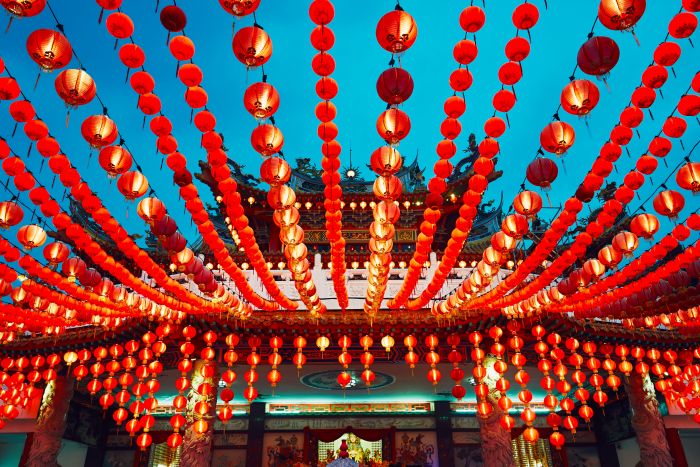
Chinese New Year
When: January or February (Lunar calendar)
Scope: Nationwide, particularly Kuala Lumpur, Penang, and Malacca
Operational Considerations:
Festive decorations, cultural performances, lion dances, and temple celebrations take place throughout the country. Hotels in popular destinations may experience higher occupancy during the holiday period.
Program Implications:
Can be easily incorporated into city and heritage itineraries, offering travellers an authentic insight into Malaysia’s Chinese cultural heritage.
Market Fit:
Family travel, cultural tours, photography, and FIT programs.

Deepavali (Diwali)
When: October or November
Scope: Nationwide, particularly Kuala Lumpur and Penang
Operational Considerations: Malaysia’s Indian communities celebrate the Festival of Lights with colourful decorations, cultural performances, and festive markets. Little India districts become vibrant centres of celebration while tourism services continue to operate normally.
Program Implications: Adds cultural richness to urban itineraries through traditional ceremonies, local cuisine, and festive shopping experiences.
Market Fit: Cultural discovery, culinary tourism, and photography-focused programs.
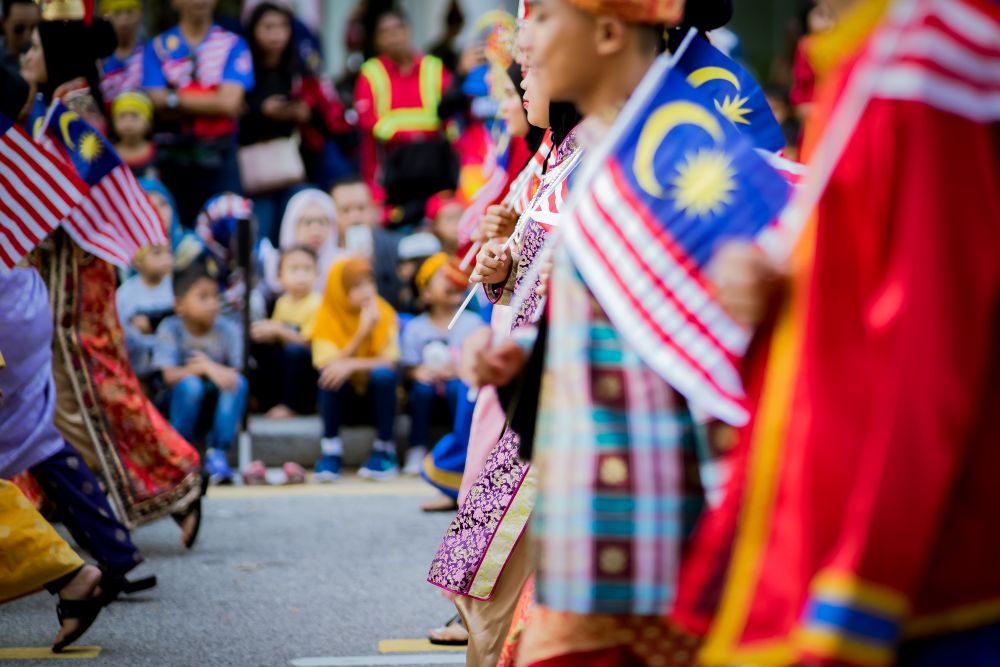
Kaamatan Festival
When: 30–31 May
Location: Sabah
Operational Considerations: Sabah’s annual Harvest Festival celebrates the traditions of the Kadazan-Dusun community through cultural performances, traditional sports, music, and local cuisine. Accommodation demand increases in Kota Kinabalu during the festival.
Program Implications: An excellent addition to Sabah itineraries, allowing travellers to experience indigenous culture alongside wildlife and nature-based activities.
Market Fit: Cultural immersion, special-interest travel, and Borneo itineraries.
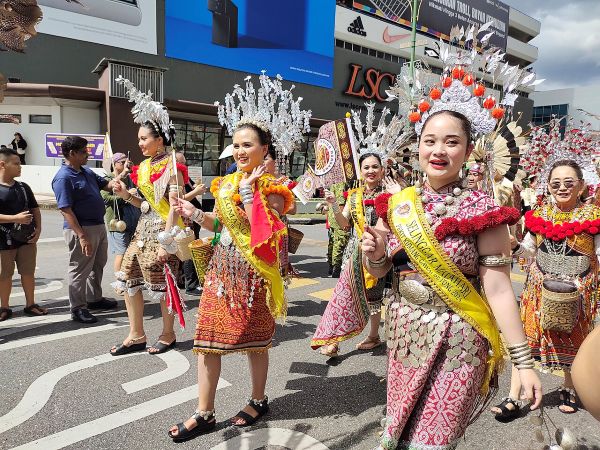
Gawai Dayak
When: 1–2 June
Location: Sarawak
Operational Considerations: The most important festival for Sarawak’s Dayak communities, featuring traditional longhouse celebrations, music, dance, and cultural ceremonies. Domestic travel increases within the region during the public holiday.
Program Implications: Provides an authentic opportunity to incorporate indigenous cultural experiences into Sarawak and Borneo programs.
Market Fit: Cultural discovery, community-based tourism, and repeat visitors.
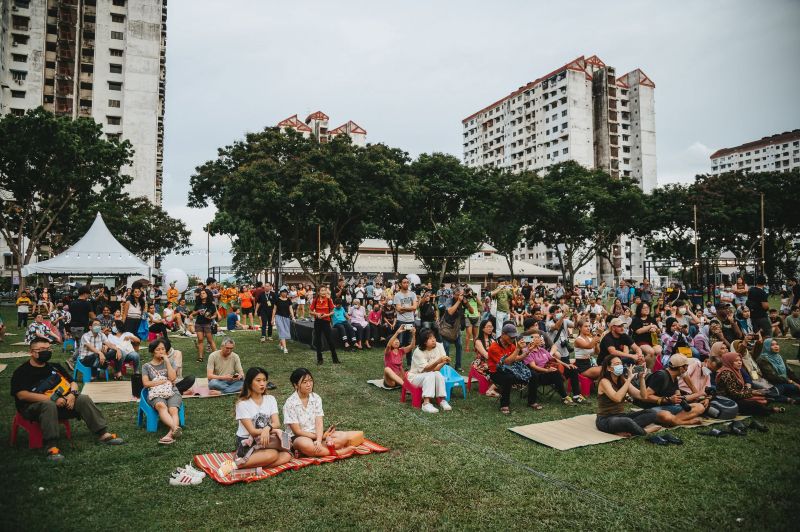
George Town Festival
When: July–August
Location: George Town, Penang
Operational Considerations:
An internationally recognised arts festival featuring visual arts, theatre, music, dance, exhibitions, and cultural performances. Visitor numbers increase throughout the festival period.
Program Implications:
An excellent complement to heritage-focused itineraries in Penang, combining UNESCO heritage with contemporary arts and culture.
Market Fit: Luxury FIT, cultural travel, arts tourism, and premium leisure programs.