
Your Trusted DMC Partner in China
China, The Land of Contrasts
Why China for Your Programs
A Destination of Vast Diversity and Cultural Depth
A journey through China reveals a country of remarkable contrasts, where ancient traditions meet dynamic regional cultures. From historic cities and UNESCO heritage sites to sweeping landscapes and ethnic minority regions, China offers an exceptional diversity of experiences. This richness allows each journey to reveal a different facet of the destination, shaped by its regional identities.A Renewed Destination with Greater Accessibility
With evolving visa policies and improved travel conditions, China is once again becoming more accessible to international travelers. These developments make it easier to explore the country’s key regions while rediscovering its cultural and natural heritage. This renewed accessibility positions China as an increasingly attractive destination for diverse travel programs.
A Rich and Immersive Travel Experience
China offers a wide range of experiences, from cultural exploration and scenic landscapes to encounters with local communities and regional traditions. In Yunnan in particular, travelers can discover a unique blend of ethnic diversity, nature, and cuisine, with opportunities for hiking, cultural immersion, and off-the-beaten-track exploration. Supported by an extensive transport network, China remains both inspiring and increasingly easy to explore.ASEV Travel’s Expertise in China
Why Work with ASEV in China
- Ability to support travel across a wide range of Chinese destinations and regions
- Particular expertise in Yunnan, one of China’s most diverse cultural and natural areas
- Proven experience in cross-border journeys linking China, Laos, and Vietnam
- Trusted local partners ensuring reliable coordination and service quality
What Makes Our Itineraries Different in China
- Strong focus on Yunnan’s ethnic heritage, landscapes, and local traditions
- Specialist in off-the-beaten-track experiences and meaningful local encounters
- Nature-based experiences including hiking opportunities in the Lijiang region
- Discovery of regional cuisines reflecting China’s remarkable cultural diversity
Why This Destination Works for Your Clients
- A destination offering strong cultural depth and regional diversity
- Ideal for travelers seeking discovery beyond traditional Southeast Asia routes
- Seamless combination with Laos and Vietnam for multi-country itineraries
- Renewed accessibility making China easier to include in travel programs
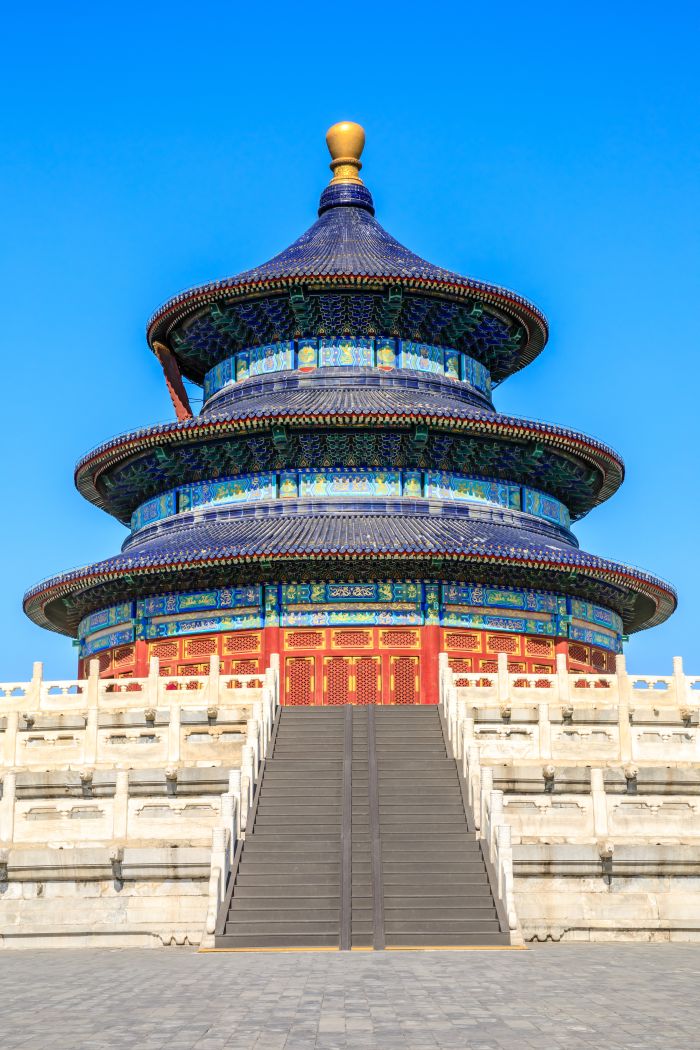
China at a Glance

- Capital: Beijing
- Largest City: Shanghai
- Population: ~1.4 billion
- Currency: Renminbi (Chinese Yuan – CNY)
- Time Zone: GMT +8
- Official Language: Mandarin Chinese (Putonghua)
- International Dial Code: +86

Best time to visit (Weather)
China’s vast size creates significant regional climate variations, allowing travel throughout the year depending on the destination and itinerary.
Northern China (Beijing, Xi’an) experiences four distinct seasons. Spring (April–May) and autumn (September–October) offer mild temperatures and are generally considered the best periods for cultural sightseeing. Winters can be cold, while summers are hot and occasionally humid.
Eastern China (Shanghai, Suzhou, Hangzhou) enjoys a subtropical climate. Spring and autumn provide the most pleasant conditions, while summer is warm and humid with occasional rainfall. Winters are generally cool but remain suitable for city exploration.
Southwestern China (Yunnan) offers a mild climate throughout much of the year due to its varied elevation. Spring and autumn are particularly favourable for visiting destinations such as Kunming, Dali, and Lijiang.
Southern China (Guilin, Yangshuo, Guangzhou) has a subtropical climate with warm temperatures year-round. The rainy season typically occurs from April to September, while October to December generally provides drier and more comfortable conditions.
Travellers planning to visit multiple regions should consider seasonal variations, as weather conditions may differ considerably across the country at the same time of year.
Visa Requirements
Visa requirements for China vary depending on nationality, passport type, purpose of travel, and length of stay.
In recent years, China has expanded its visa-free entry policies for eligible nationalities and introduced additional visa facilitation measures to encourage tourism and business travel. Many travellers may also benefit from visa-free transit policies when transiting through designated cities and ports, subject to the applicable conditions. As entry policies continue to evolve, travellers should verify the latest requirements before departure.
A passport valid for at least six months beyond the date of entry is generally required. Visitors may also be asked to provide proof of onward travel, accommodation, or sufficient funds, depending on their visa category and port of entry.
For official and up-to-date information, travellers should consult the nearest Chinese Embassy or Consulate, or the official website of the National Immigration Administration of China.
Main International Airports
China has an extensive network of international airports connecting its major cultural, commercial, and tourism destinations.
- Beijing Capital International Airport (PEK) – One of China’s principal international gateways, serving the capital and Northern China.
- Beijing Daxing International Airport (PKX) – A major international hub supporting both long-haul and regional connections.
- Shanghai Pudong International Airport (PVG) – The primary gateway to Eastern China and Shanghai’s international aviation hub.
- Guangzhou Baiyun International Airport (CAN) – A key gateway to Southern China with extensive international and domestic connections.
- Chengdu Tianfu International Airport (TFU) – Serving Southwestern China and an important hub for access to Sichuan and surrounding regions.
- Xi’an Xianyang International Airport (XIY) – Gateway to Central China and the historic Silk Road region, including the Terracotta Warriors.
- Hong Kong International Airport (HKG) (for combined China itineraries) – One of Asia’s leading aviation hubs, frequently used for multi-destination programs combining Hong Kong with Mainland China.
Neighboring Countries (Land Borders)
China shares land borders with 14 neighbouring countries, more than any other country in the world, making it an ideal gateway for regional journeys across Asia.
For travellers combining destinations within ASEV Travel’s network, China connects directly with Vietnam and Laos, offering excellent opportunities for tailor-made overland or multi-country itineraries.
China also shares borders with Mongolia, Russia, Myanmar, India, Bhutan, Nepal, Pakistan, Afghanistan, Tajikistan, Kyrgyzstan and Kazakhstan. Border regulations, visa requirements and crossing conditions vary by country and should always be checked before travel.
Popular Land Entry Points
China offers several practical overland gateways for regional itineraries linking Vietnam and Laos with Yunnan Province, creating seamless multi-country journeys across Southeast Asia and Southern China.
From Vietnam
Hekou (connected to Lao Cai) – The principal border crossing between Northern Vietnam and Yunnan Province, frequently used for itineraries combining Hanoi, Sapa, and Kunming.
From Laos
Mohan (connected to Boten) – The main gateway between Laos and Yunnan Province, directly connected via the China–Laos Railway, making rail journeys between Luang Prabang, Vientiane, and Kunming particularly convenient.
Entry requirements and border regulations vary depending on nationality and crossing point. Travelers should verify the latest immigration procedures before departure.
Major Sites in China
China offers an extraordinary diversity of travel experiences, from imperial capitals and UNESCO World Heritage Sites to dramatic mountain landscapes, ancient villages, modern metropolises, and rich culinary traditions. Its extensive high-speed rail network and international gateways make it well suited to both classic cultural journeys and multi-region itineraries.
Northern China
- Beijing: The Forbidden City, Great Wall of China, Temple of Heaven, Summer Palace, and Tiananmen Square.
- Xi’an: Home to the world-famous Terracotta Army, the Ancient City Wall, Muslim Quarter, and an important starting point of the historic Silk Road.
Eastern China
- Shanghai: The Bund, Pudong skyline, Yu Garden, French Concession, and one of Asia’s leading commercial and financial centres.
- Suzhou: Classical Chinese gardens, historic canals, and traditional silk heritage.
- Hangzhou: West Lake, Longjing tea plantations, pagodas, and scenic landscapes celebrated in Chinese culture.
Southwestern China
- Chengdu: Giant Panda Research Base, Sichuan cuisine, traditional teahouses, and gateway to Western China.
- Jiuzhaigou National Park: UNESCO World Heritage Site renowned for its colourful alpine lakes, waterfalls, and mountain scenery.
- Yunnan (Kunming, Dali & Lijiang): Diverse ethnic cultures, ancient towns, snow-capped mountains, and spectacular natural landscapes.
Southern China
- Guilin & Yangshuo: Iconic limestone karst mountains, the Li River, bamboo rafting, and picturesque rural scenery.
- Zhangjiajie: UNESCO World Heritage Site famous for its sandstone pillars, glass bridge, and landscapes that inspired the film Avatar.
- Guangzhou: Historic trading port, Cantonese culture, modern skyline, and world-renowned cuisine.
Last updated: July 9, 2026
Please note that this information may change. We will update this page if there are any changes related to China.
On the Ground in China
Is China suitable for first-time visitors?
Yes. China offers a remarkable combination of imperial heritage, modern cities, natural landscapes, and world-renowned cuisine. Its extensive tourism infrastructure, high-speed rail network, and wide range of accommodation make it suitable for FIT, group travel, educational tours, and incentive programs.
Can China be combined with neighboring destinations?
China can be seamlessly combined with Vietnam, Laos, and other destinations across Southeast Asia through a combination of international flights and established overland routes. Yunnan Province in particular serves as a natural gateway for multi-country journeys linking Southern China with mainland Southeast Asia.
What should travellers know about digital payments in China?
China is one of the world’s most cashless destinations. Mobile payment platforms such as Alipay and WeChat Pay are widely accepted, while cash is used less frequently in many cities.
International credit cards are accepted at many hotels, shopping centres, and major attractions, but acceptance may be limited at smaller businesses. Travellers are encouraged to prepare at least one digital payment option before arrival where possible.
Can international websites and apps be accessed in China?
Some international websites and mobile applications may be restricted in Mainland China.
Travellers who rely on services such as Google, Gmail, WhatsApp, Facebook, Instagram, or YouTube should make appropriate arrangements before departure if continued access is required.
Is travelling by high-speed rail recommended?
Yes. China’s high-speed rail network is one of the largest and most efficient in the world, connecting major cities such as Beijing, Shanghai, Xi’an, Chengdu, Guangzhou, and Hong Kong.
For many domestic journeys, high-speed rail offers a comfortable and convenient alternative to flying.
What cultural etiquette should travellers know?
Chinese culture places great importance on respect, courtesy, and social harmony.
Travellers should:
- Respect local customs at temples and heritage sites.
- Speak politely and avoid public confrontation.
- Queue patiently in busy locations.
- Ask permission before photographing individuals, particularly in rural communities.
- Follow local guide instructions when visiting cultural or religious sites.
Are there restrictions on purchasing cultural artefacts?
Yes. Travellers should avoid purchasing genuine antiques, archaeological objects, or protected cultural relics without the appropriate documentation.
Authentic handicrafts, tea, silk products, ceramics, and locally produced artwork are excellent alternatives that support local artisans and comply with export regulations.
What should travellers know before visiting UNESCO World Heritage Sites?
China is home to numerous UNESCO World Heritage Sites, including the Great Wall, the Forbidden City, the Terracotta Army, and Zhangjiajie National Forest Park.
Visitors should:
- Stay on designated visitor routes.
- Respect site regulations.
- Avoid climbing on restricted structures.
- Help preserve cultural and natural heritage by leaving no trace.
What food and dietary considerations should travellers be aware of?
Chinese cuisine varies significantly between regions, from Cantonese and Sichuan to Northern and Yunnan specialties.
Vegetarian, halal, and other dietary requirements can usually be accommodated in major cities with advance notice. Travellers with food allergies should inform their guide before travel so suitable arrangements can be made.
How can travellers support local communities responsibly?
Travellers can contribute positively by:
- Purchasing locally made handicrafts and regional products.
- Dining at locally owned restaurants.
- Respecting cultural traditions and heritage sites.
- Choosing responsible tourism experiences recommended by ASEV.
- Supporting businesses that contribute to local communities and cultural preservation.
What emergency contact information should partners provide?
For child protection concerns, ASEV encourages immediate reporting through the appropriate local authorities or recognised child protection organisations.
China National Child Protection Hotline: 12338
China Child Emergency Hotline: +86 29 8807 2188
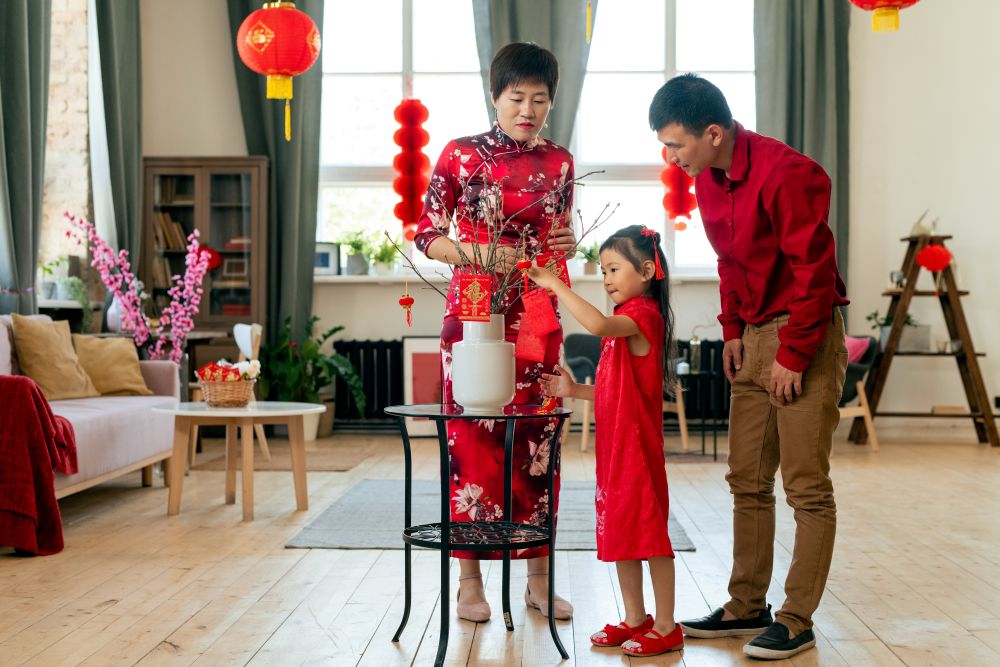
Chinese New Year (Spring Festival)
When: January or February (Lunar calendar)
Scope: Nationwide
Operational Considerations:
China’s most important national holiday and the world’s largest annual human migration. Domestic travel demand increases dramatically, with trains, flights, and hotels often fully booked well in advance. Accommodation and transportation rates frequently rise during this period, particularly in major cities and popular tourist destinations. Many businesses and attractions may also operate on reduced schedules during the official holiday period.
Program Implications:
Offers travellers the opportunity to experience traditional family celebrations, temple fairs, festive decorations, dragon dances, and fireworks. Early booking of accommodation and transportation is essential.
Market Fit: Cultural discovery, experiential travel, FIT, and photography-focused itineraries.
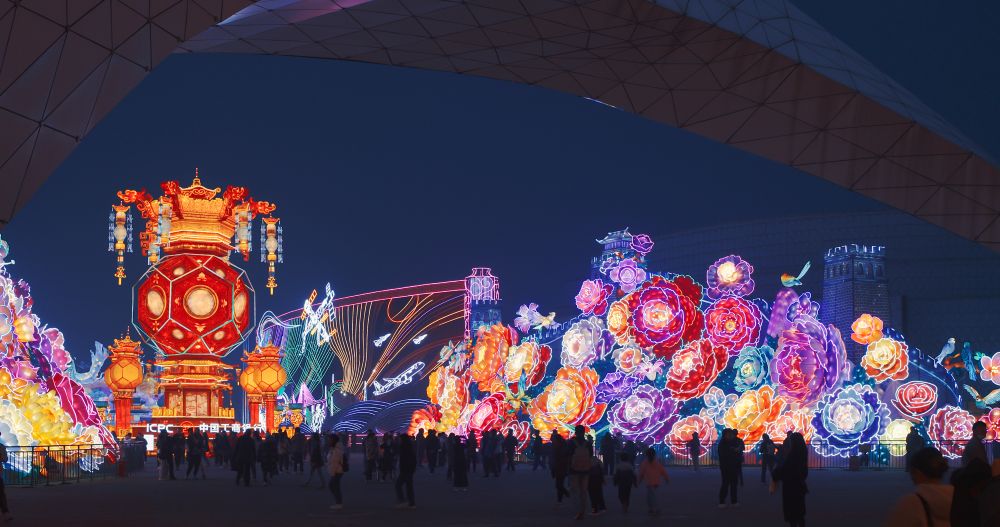
Lantern Festival
When: February (15th day of the Lunar New Year)
Scope: Nationwide
Operational Considerations:
Marks the conclusion of the Spring Festival celebrations. Major cities host lantern displays, cultural performances, and evening festivities, while normal tourism services generally resume.
Program Implications:
An excellent addition to city itineraries, particularly in Beijing, Shanghai, Xi’an, and Suzhou, where public celebrations create a vibrant atmosphere.
Market Fit: Family travel, cultural tours, and photography experiences.

Dragon Boat Festival
When: May or June (Lunar calendar)
Scope: Nationwide
Operational Considerations:
Public holiday featuring traditional dragon boat races in many cities and riverside communities. Domestic tourism increases during the long weekend.
Program Implications:
Can enhance itineraries with local sporting events, traditional food such as zongzi (sticky rice dumplings), and cultural activities.
Market Fit: Cultural discovery, family travel, and special-interest programs.
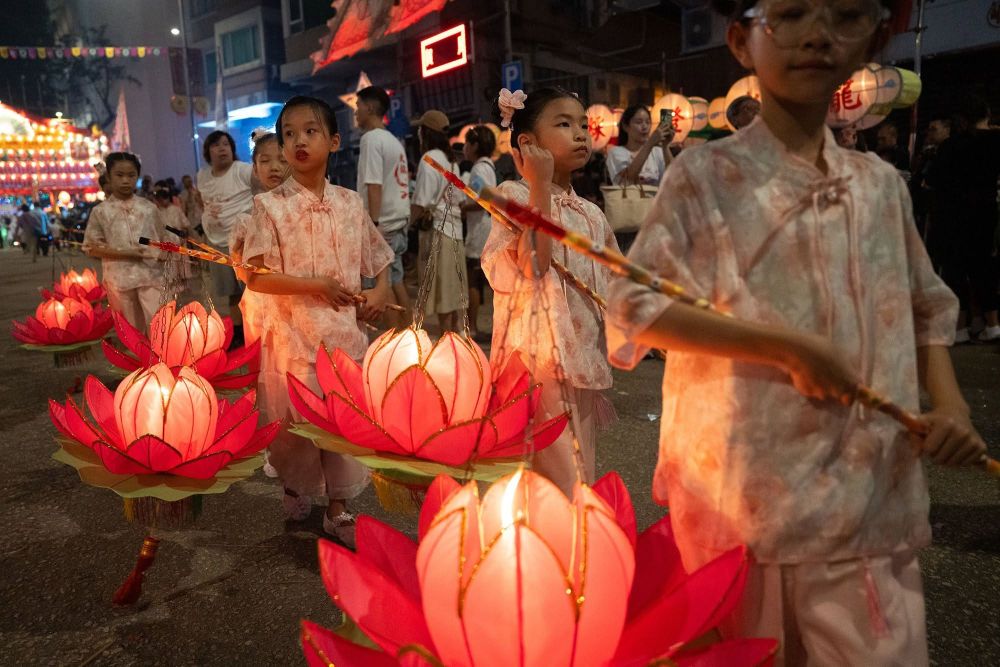
Mid-Autumn Festival
When: September or October (Lunar calendar)
Scope: Nationwide
Operational Considerations:
A major traditional festival celebrated with family gatherings, lantern displays, and mooncake traditions. Tourist attractions and city parks often host evening cultural events.
Program Implications:
Ideal for combining cultural sightseeing with seasonal celebrations in major cities and historic destinations.
Market Fit: FIT, family travel, cultural experiences, and premium leisure programs.
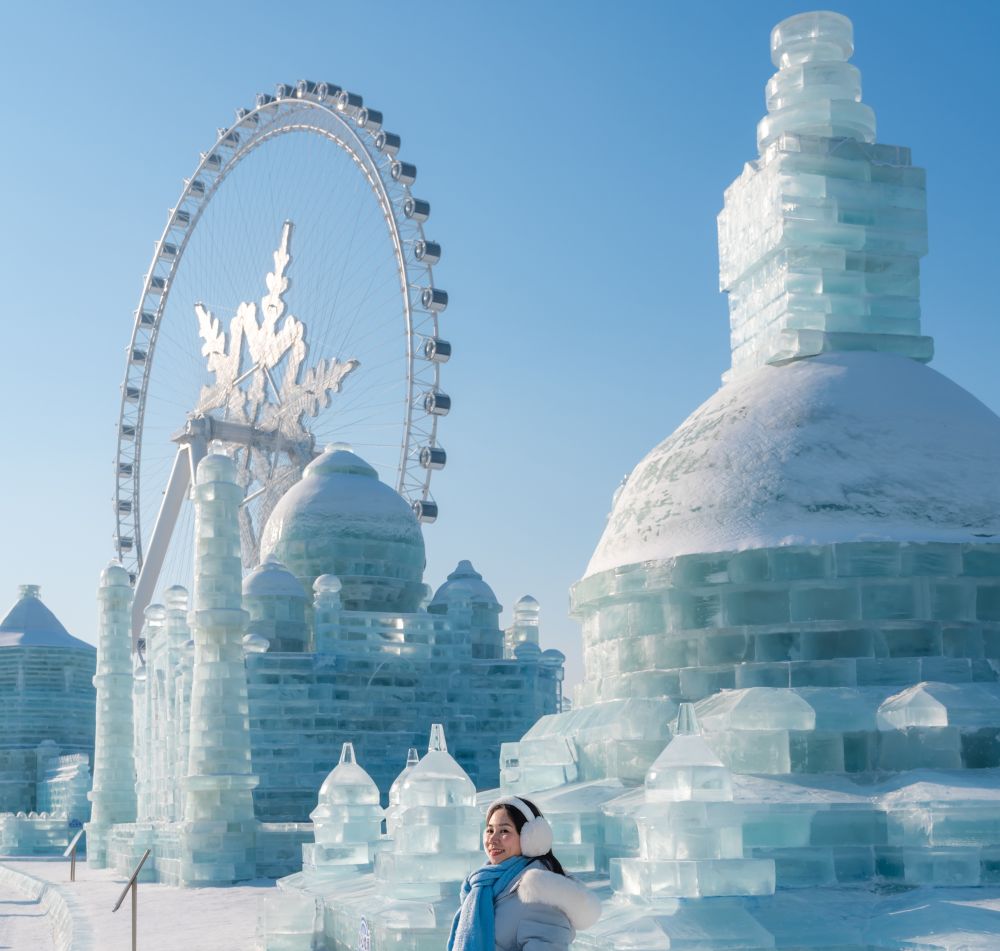
Harbin International Ice and Snow Festival
When: Late December to February
Location: Harbin, Heilongjiang Province
Operational Considerations:
One of the world’s largest winter festivals, attracting significant international and domestic visitors. Accommodation demand increases substantially during the festival period.
Program Implications:
A unique opportunity to combine Northern China winter experiences with spectacular ice sculptures, snow art, and seasonal activities.
Market Fit: Winter travel, photography, luxury FIT, and special-interest itineraries.