
As the tourism industry continues to embrace more responsible practices, transportation is becoming an increasingly important part of sustainable travel. While discussions around sustainability often focus on hotels, wildlife conservation or community-based tourism, the way travellers move within a destination also has a significant influence on their environmental footprint.
Across Southeast Asia, governments, businesses and local communities are investing in cleaner transportation solutions that reduce emissions while improving the travel experience. Electric taxis, buses, scooters, bicycles and tuk-tuks are becoming more common in many cities, offering visitors practical alternatives to conventional petrol or diesel vehicles.
These developments are not about replacing traditional modes of transport entirely. Instead, they provide travellers with more choices, allowing them to explore destinations in ways that can reduce local air pollution, minimise noise and support broader sustainability initiatives.
Why Transportation Matters in Sustainable Tourism
Transportation is an essential part of every journey. Whether travelling between airports and hotels, exploring historic neighbourhoods or visiting natural attractions, visitors rely on various forms of mobility throughout their trip.
Although international travel often involves long-haul flights, choosing lower-emission transportation once at the destination can contribute to more sustainable travel practices.
Depending on the destination and available infrastructure, travellers may now choose from options such as:
- Electric taxis
- Electric buses
- Electric bicycles
- Electric scooters
- Public bicycle-sharing systems
- Walking tours
- Cycling experiences
- Train travel
- Boat transportation on selected routes
Besides helping reduce direct vehicle emissions, many of these alternatives also create a more enjoyable travel experience. Quieter vehicles improve conversations with local guides, cycling encourages slower exploration, and walking allows visitors to discover neighbourhoods that might otherwise be overlooked.
As destinations continue investing in sustainable mobility, transportation is becoming an increasingly important consideration when designing responsible travel experiences.
The Growing Adoption of Electric Mobility Across Southeast Asia
Electric transportation is expanding across Southeast Asia, although each country is progressing at its own pace.
Many governments have introduced policies that encourage electric vehicle adoption, while private companies continue investing in charging infrastructure, vehicle manufacturing and new mobility services. At the same time, tourism businesses are beginning to integrate electric transportation into their operations where practical.
For travellers, this means that sustainable transportation is becoming more accessible than ever before. Instead of requiring significant changes to travel plans, lower-emission mobility options are increasingly available through familiar services such as taxis, public transport, bicycle rentals and guided city tours.
While electric mobility alone cannot eliminate tourism’s environmental impact, it represents one of many practical steps that destinations can take toward more sustainable urban transportation.
Vietnam: Expanding Electric Mobility in Everyday Travel
Vietnam has experienced significant growth in electric transportation in recent years, with cleaner mobility options becoming increasingly visible in major cities and tourism destinations.
One of the most visible changes for travellers is the increasing availability of electric taxi services in major cities such as Ho Chi Minh City, Hanoi and Da Nang. Offering the same convenience as conventional taxis, these services provide a lower-emission option for getting around while contributing to quieter urban environments.
Vietnam has also expanded the use of electric buses in selected cities. While public transport networks continue to develop, electric buses contribute to cleaner urban mobility by reducing local vehicle emissions and noise compared with conventional diesel buses.
For shorter journeys, electric scooters are becoming increasingly common on Vietnamese streets, reflecting the country’s ongoing transition towards electric mobility. Alongside electric taxis, buses and public bicycle-sharing systems, they contribute to a growing range of lower-emission transportation options available in urban areas.
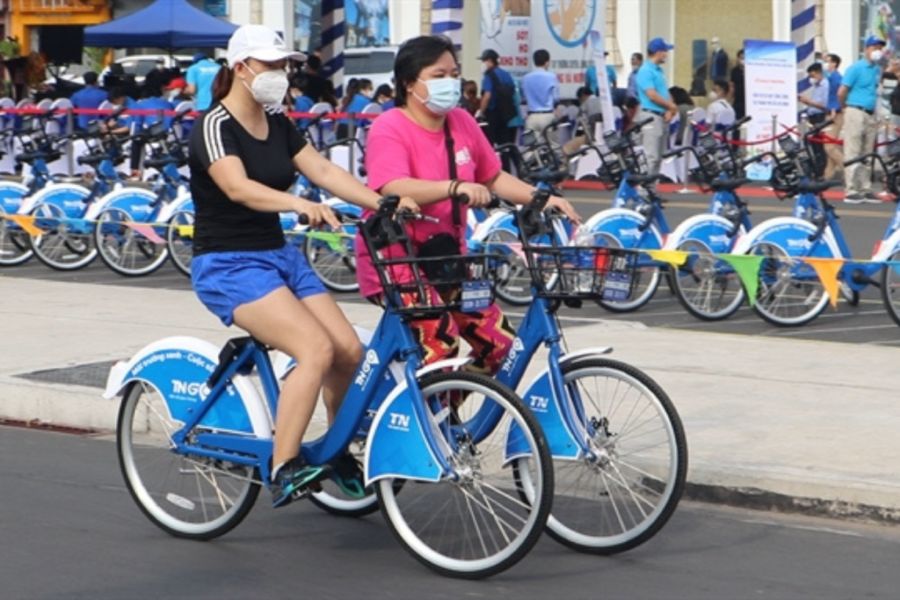
Public bicycle-sharing systems have likewise expanded in cities such as Ho Chi Minh City, offering residents and visitors an affordable way to travel short distances. Convenient docking stations located near parks, riverside promenades and commercial districts encourage slower exploration while helping reduce reliance on motorised transport.
Thailand: Preserving Tradition While Introducing Cleaner Transport
Thailand is gradually incorporating electric mobility into its transportation network while maintaining many of the travel experiences visitors already associate with the country.
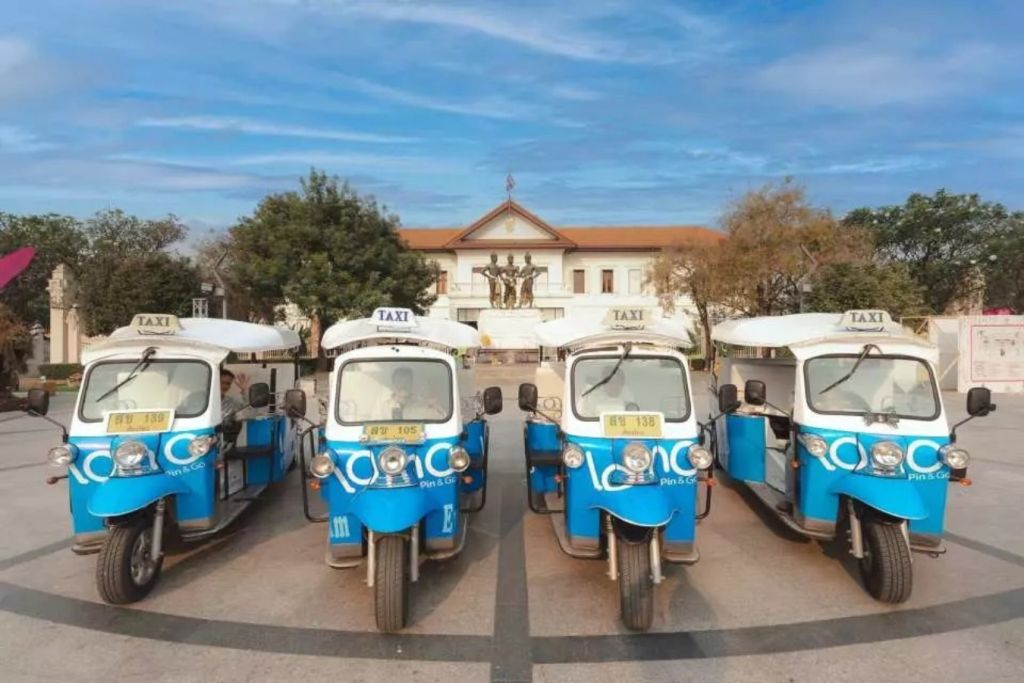
In cities such as Chiang Mai and Bangkok, electric tuk-tuks are becoming increasingly visible. These vehicles retain the distinctive appearance and character of Thailand’s iconic three-wheeled transport while producing less noise and eliminating tailpipe emissions during operation.
Electric buses are also being introduced in parts of the country as authorities continue working towards cleaner public transportation systems. Combined with existing rail networks and public transit, these initiatives provide travellers with additional opportunities to reduce the environmental impact of local travel.
Beyond electric vehicles, Thailand also offers numerous opportunities for walking, cycling and rail travel, particularly within historic districts and selected urban destinations. These alternatives encourage visitors to experience local communities at a slower pace while supporting more sustainable tourism practices.
For travellers, the gradual expansion of electric transportation demonstrates how familiar travel experiences can evolve while preserving the cultural character that makes each destination unique.
Cambodia: Gradually Expanding Electric Mobility
Cambodia is also seeing gradual growth in electric mobility, particularly in major urban centres and popular tourism destinations.
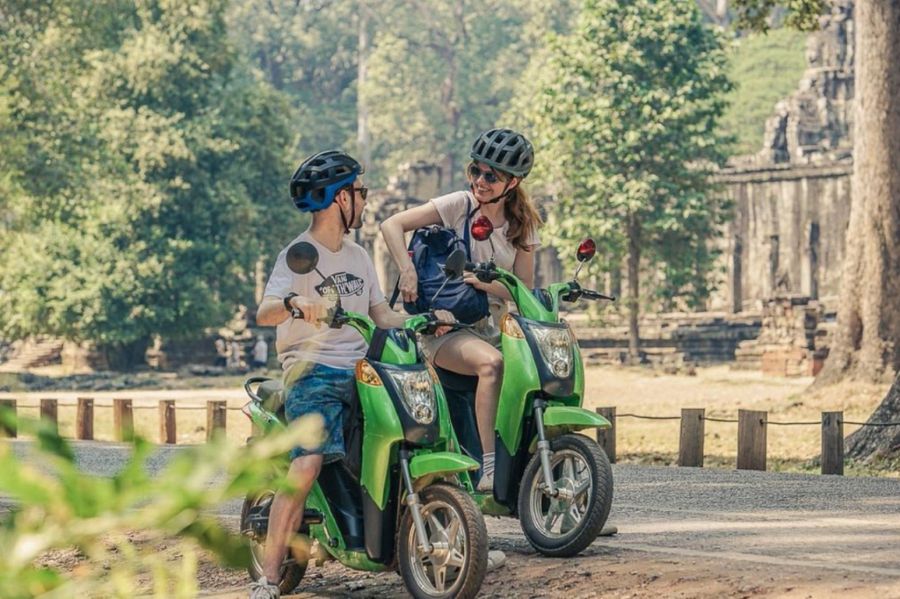
In Siem Reap, electric scooters and e-bikes are becoming more widely available, offering visitors an alternative way to explore the city and its surroundings. For shorter journeys, these vehicles provide a quieter and lower-emission option while allowing travellers to discover local markets, cafés and cultural sites at their own pace.
Electric bicycles are also well suited to exploring areas around the Angkor Archaeological Park. While many visitors continue to travel between temples by tuk-tuk or private vehicle, cycling offers a slower and more immersive way to appreciate the surrounding landscape on selected routes.
In Phnom Penh, electric motorcycles, scooters and passenger vehicles are gradually becoming more common as businesses and consumers adopt electric transportation. Although conventional vehicles still account for the majority of urban transport, electric mobility continues to develop alongside Cambodia’s broader sustainability initiatives.

Laos: Supporting Slow and Sustainable Exploration
Laos has long been known for its relaxed pace of travel, making cycling and low-emission transportation natural complements to the visitor experience.
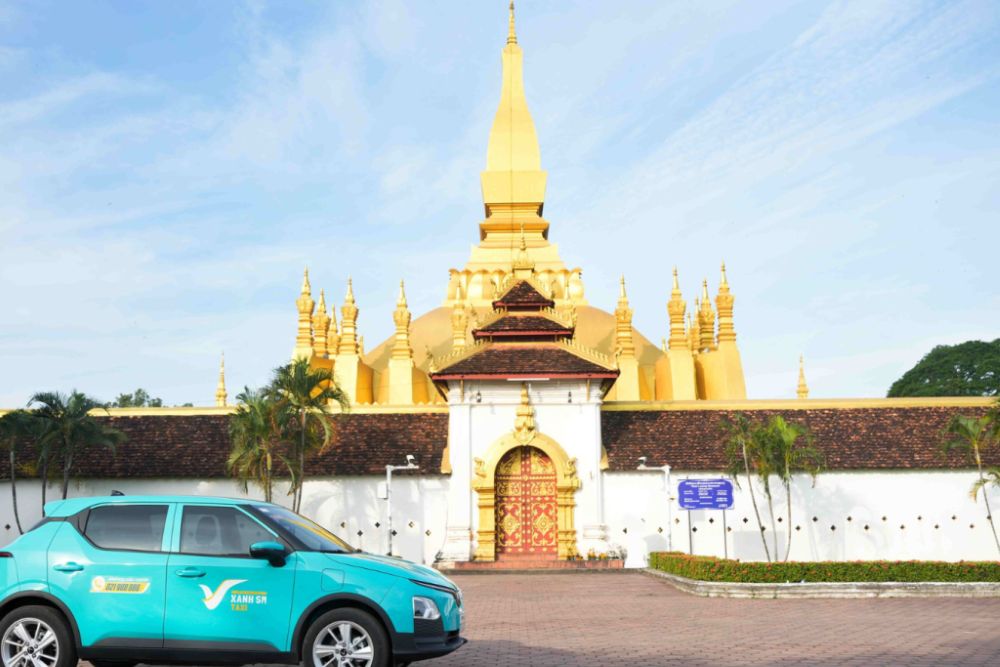
In destinations such as Luang Prabang, Vang Vieng and Vientiane, electric bicycles and, in some cases, electric vehicles are gradually becoming available, although availability varies by destination. Availability varies depending on the destination and service provider, but these options continue to expand as interest in sustainable tourism grows.
Electric bicycles are particularly suited to exploring historic neighbourhoods, riverside areas and nearby natural attractions. Their quiet operation allows visitors to enjoy the surrounding environment while reducing reliance on conventional motorised transport for shorter journeys.
As tourism continues to evolve, electric mobility represents another option that can complement Laos’ focus on slower, more immersive travel experiences.
Sustainable Transportation Goes Beyond Electric Vehicles
While electric mobility is receiving increasing attention, sustainable transportation includes many other forms of lower-emission travel that have long been part of Southeast Asia’s tourism experience.
Rail travel remains one of the most energy-efficient ways to travel longer distances on land and allows visitors to enjoy changing landscapes while reducing reliance on domestic flights where suitable rail connections exist.
Cycling experiences continue to be popular throughout the region, offering opportunities to explore villages, rice fields, historic towns and local communities at a slower pace.
Water transportation can also contribute to more sustainable itineraries when integrated thoughtfully. Boat journeys along the Mekong River, traditional wooden boats, ferries and other shared water transport often provide practical connections while allowing travellers to experience destinations from a different perspective.
Walking tours remain one of the most environmentally friendly ways to discover a destination. Exploring cities on foot not only eliminates vehicle emissions for those journeys but also encourages meaningful interactions with local culture, architecture and everyday life.
Rather than relying on a single solution, sustainable transportation often combines multiple modes of travel to create journeys that are both enjoyable and environmentally conscious.
Looking Ahead
Electric mobility continues to evolve across Southeast Asia as governments, businesses and communities invest in cleaner transportation infrastructure and new technologies.
While the pace of adoption varies between destinations, travellers can already experience a growing range of lower-emission transportation options throughout the region. As charging networks expand, vehicle technology advances and sustainable tourism continues to develop, these choices are expected to become even more accessible in the years ahead.
For the travel industry, this represents an opportunity to rethink how journeys are designed. Sustainable transportation is no longer limited to reducing emissions—it is also about creating quieter, more comfortable and more meaningful ways for travellers to connect with the places they visit.
Discover Southeast Asia More Responsibly with ASEV Travel
Sustainability is not defined by a single decision. It is the result of many thoughtful choices made throughout a journey, including how we travel from one place to another.
By incorporating lower-emission transportation where appropriate, travellers can contribute to more responsible tourism while enjoying authentic experiences that bring them closer to local communities and destinations.
At ASEV Travel, we remain committed to following the evolution of sustainable transportation across Southeast Asia and integrating practical, responsible mobility solutions into our travel experiences whenever they enhance both the journey and the destination.