
What if your least-sold season became your most profitable opportunity?
Every year, the green season in Southeast Asia – from late April to October – is still widely perceived as a constraint: rain, uncertainty, and less favorable travel conditions. On the ground, however, the reality is very different.
When properly understood and positioned, the green season transforms the travel experience and becomes a powerful lever for both customer satisfaction and commercial performance. Today, the challenge is no longer to avoid this period, but to understand how to structure, position, and sell it effectively.
Why the green season is a real opportunity
A more fluid and authentic travel experience
One of the most immediate changes during the green season is the drop in tourist crowds. Destinations that are often overcrowded during peak season become significantly more accessible and enjoyable to explore. Travel flows more smoothly, allowing clients to experience sites at a more relaxed pace.
More importantly, interactions with local communities become more natural and less standardized, creating deeper and more meaningful connections. In this context, travel shifts from a sequence of visits to a more immersive, personal, and memorable experience.

A powerful lever for value and up-selling
From a commercial perspective, the green season offers highly favorable conditions for building competitive travel packages. Lower pricing, better availability, and increased flexibility allow travel professionals to design more balanced and attractive programs.
This environment also makes it easier to integrate higher-quality services – from better accommodation options to more exclusive experiences – while maintaining a competitive price point. In many cases, the green season becomes an even more effective up-selling opportunity than peak travel periods, where availability constraints limit options.
Nature at its most spectacular
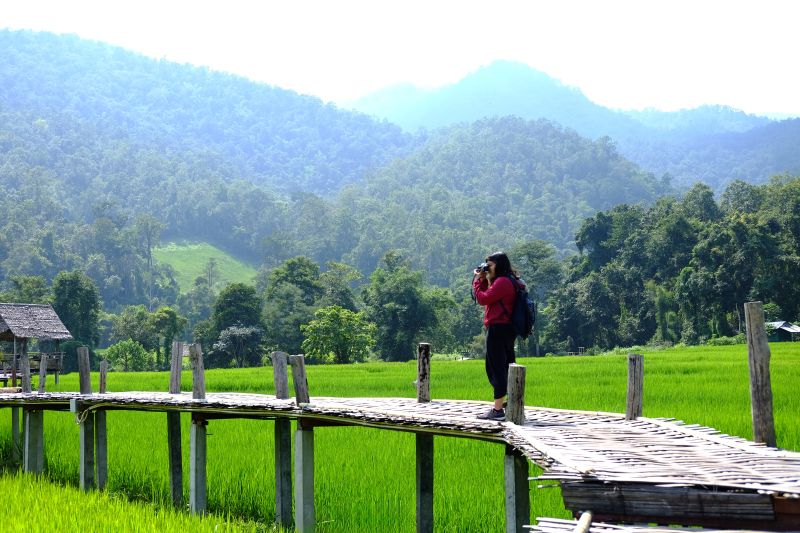
A common misconception about the green season is the idea of constant rain. In reality, rainfall is typically short and predictable, often followed by clear skies. In exchange, landscapes reach their peak beauty.
Rice fields turn intensely green, waterfalls regain their full power, rivers rise, and vegetation becomes lush and vibrant. The overall visual impact is immediate and striking. For travelers interested in nature, photography, or scenic experiences, this becomes a strong and highly differentiating selling point.
How to position the green season in your sales strategy
One of the main barriers to selling the green season is not the product itself, but how it is presented. Too often, it is framed as a fallback option rather than a deliberate choice. To be effective, the narrative must shift. The green season should be positioned as a strategic travel choice, based on clear benefits:
- A smoother travel experience
- Deeper immersion
- Better value for money
This repositioning strengthens your sales message and eliminates the perception of compromise.
Which traveler profiles should you target?
The green season is particularly well-suited to specific types of travelers. It appeals strongly to:
- Clients with flexible travel dates
- Travelers seeking authenticity and local immersion
- Profiles interested in slow travel, nature, or wellness experiences
- Clients open to less conventional itineraries
Clearly identifying these segments allows for more targeted offers and stronger conversion rates.
Adapting your programs by destination
The green season does not affect all destinations in the same way. This diversity allows for precise itinerary design depending on your clients’ expectations.
In Vietnam, the north and central regions offer particularly favorable conditions, with unique atmospheric effects such as the misty landscapes of Ha Long Bay.
In Cambodia, Angkor temples become more vibrant with lush vegetation and significantly fewer visitors, greatly improving the overall experience.
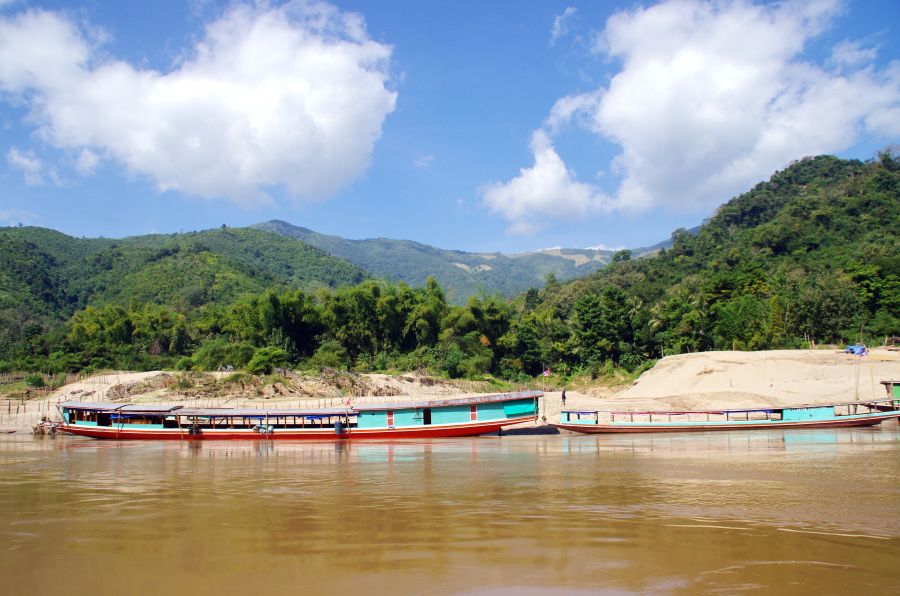
In Laos, landscapes reach their peak beauty. The Mekong River becomes more dynamic, and the country’s already peaceful atmosphere is further enhanced.
Thailand allows for efficient multi-country itineraries, particularly in combination with Laos, while still offering accessible beach extensions.
The Yunnan region stands out for its diverse landscapes and rich cultural experiences, especially around tea culture and ethnic communities.
Malaysia: a complementary strategic advantage
Malaysia offers a different seasonal pattern, making it a valuable tool for balancing travel programs.
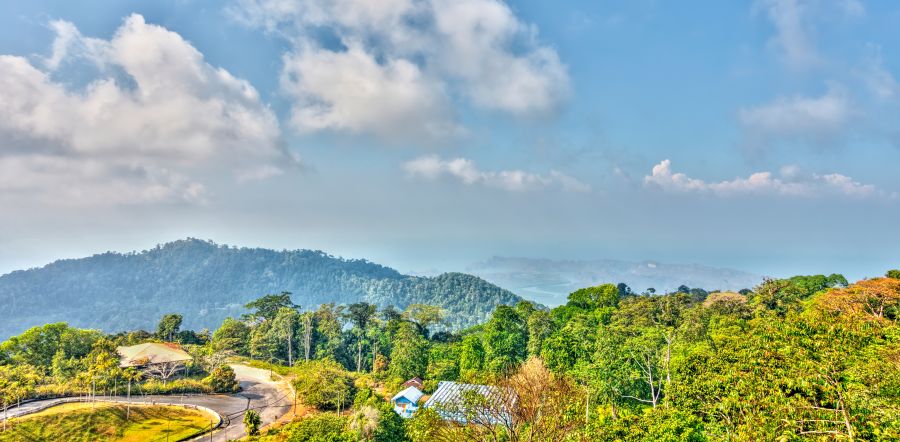
From June to August, much of the country enjoys relatively dry and sunny conditions, corresponding to a high-demand period that requires early planning, particularly for hotels and guides. From September onwards, visitor numbers decrease while landscapes become more lush and vibrant, creating a calmer and more immersive travel environment.
This allows for a wide range of experiences to be highlighted, including cultural exploration in destinations such as Ipoh, nature immersion in regions like Belum Rainforest and Taman Negara, and more exclusive beach stays in places like Pangkor Laut. As part of a broader itinerary strategy, Malaysia becomes an effective way to diversify and optimize travel offerings.
Integrating the green season into your travel strategy
To fully unlock its potential, the green season should be integrated from the early stages of product design, not used as a last-minute alternative. This requires:
- Careful adaptation of itineraries to local conditions
- Thoughtful selection of experiences
- Clear and accurate communication aligned with on-the-ground realities
The green season should be treated as a core strategic pillar, not a secondary option.
Build your green season travel offers
As travelers increasingly seek authenticity, flexibility, and value, the green season provides a highly relevant response. For travel professionals who know how to structure and position it effectively, it becomes a strong competitive advantage – improving both customer experience and business performance. Today, certain periods offer an ideal balance between price, experience quality, and availability.
ASEV Travel teams support their partners in designing tailored programs adapted to their markets, client profiles, and business objectives. Contact us to develop your green season travel offers